Storage and decor don't have to be separate categories fighting for the same budget — a lot of the best storage solutions are genuinely decorative in their own right. Here's what works well in each room.
Living Room: Ottomans and Media Console Baskets
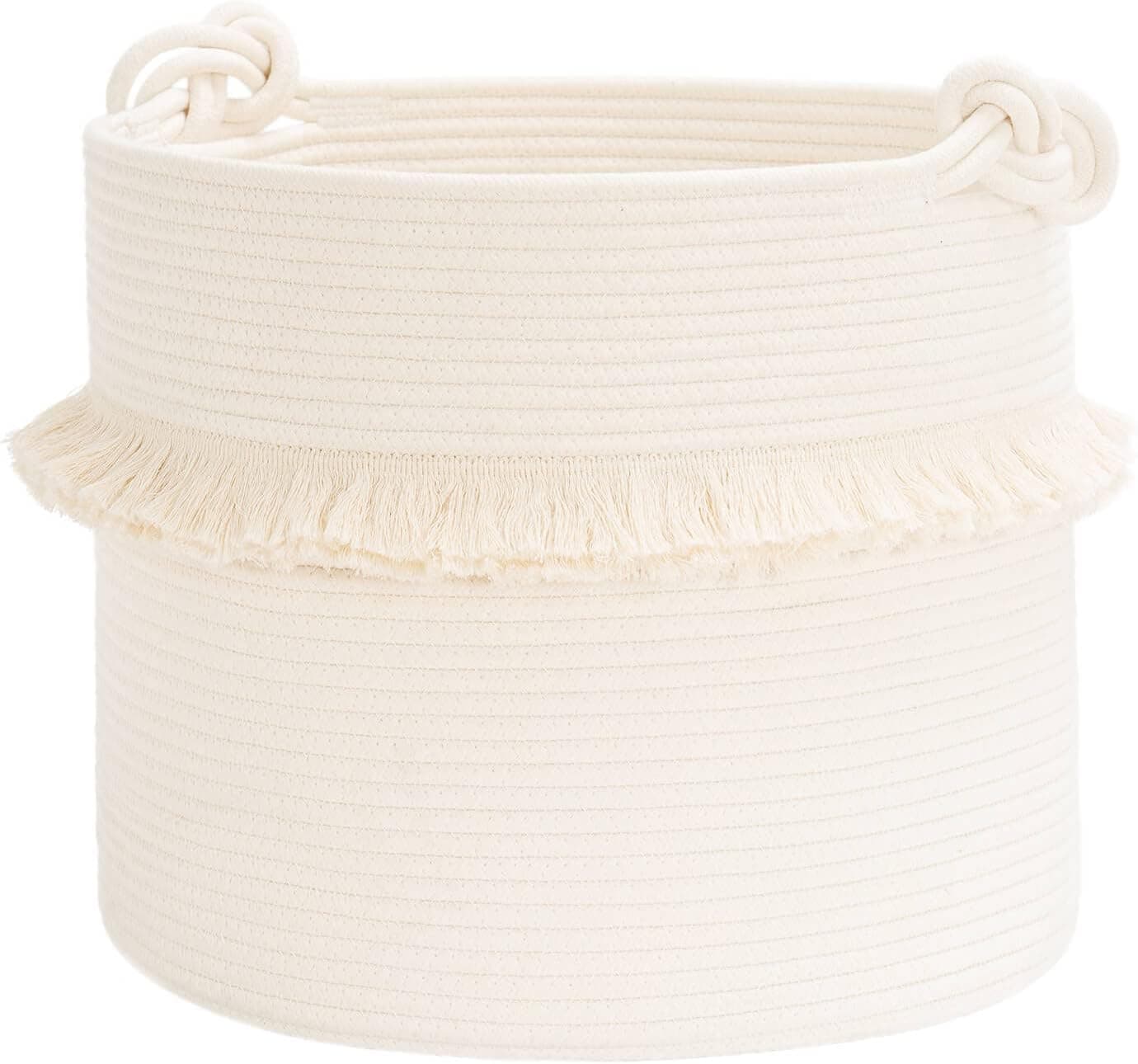
A storage ottoman handles blankets or remotes while doubling as extra seating or a footrest. Woven baskets inside or beside a media console corral cords and controllers without needing a fully closed cabinet.
Bedroom: Under-Bed Bins and Bench Storage
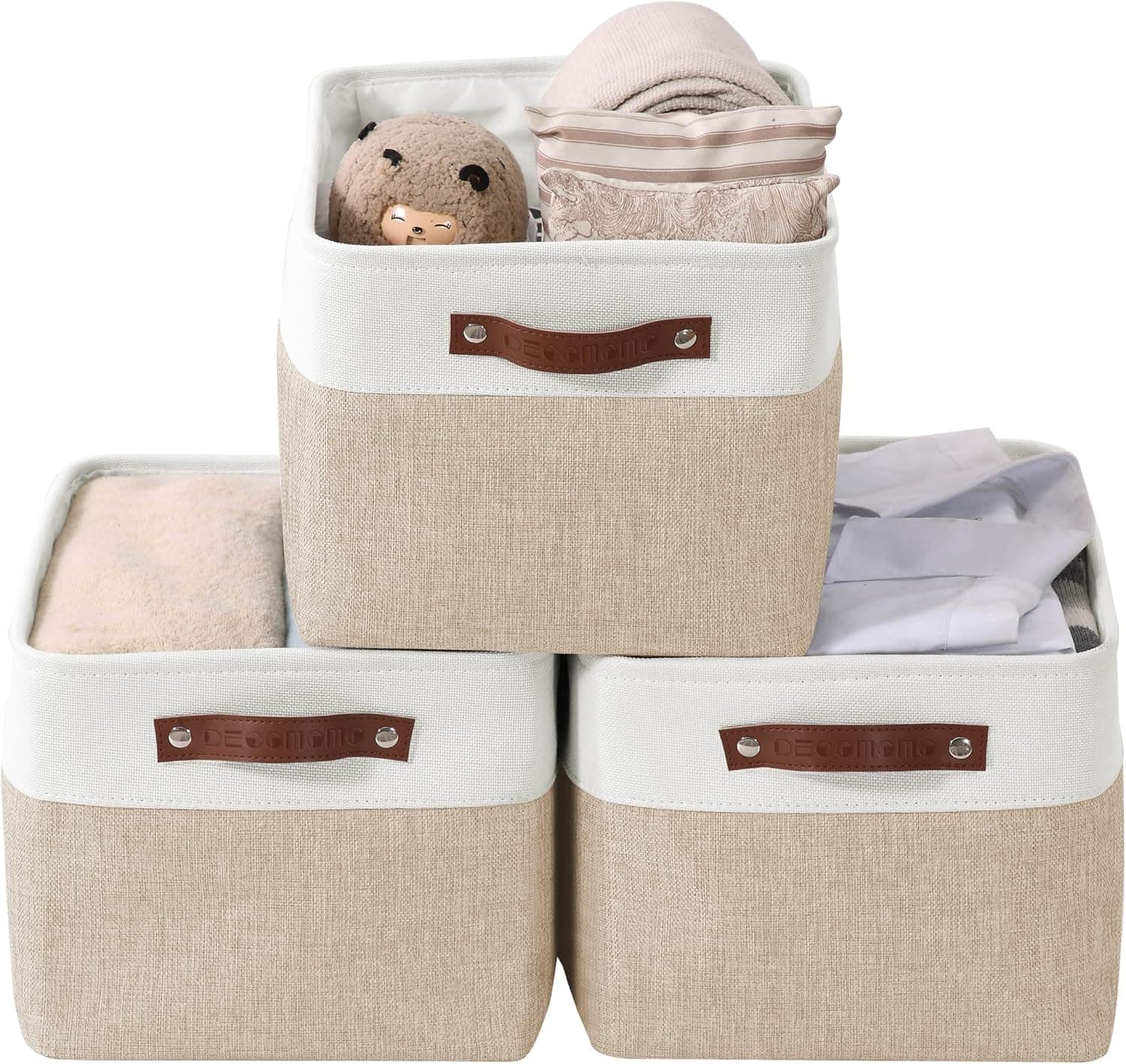
Under-bed storage boxes use otherwise wasted space for off-season clothing or linens. A bench with a lift-up lid at the foot of the bed adds both a place to sit and hidden storage in one footprint.
Entryway: Baskets, Hooks, and a Storage Bench
An entryway storage bench with cubbies handles shoes, while wall-mounted hooks manage bags and coats — both visible and functional in a way that closed cabinet storage in this specific spot often isn't.
Kitchen: Open Shelving With Purposeful Styling
Displaying frequently used items (a few nice bowls, glass jars of staples) on open shelving turns everyday storage into intentional styling, though it requires more regular tidiness than closed cabinets.
Bathroom: Vertical Shelving and Woven Bins
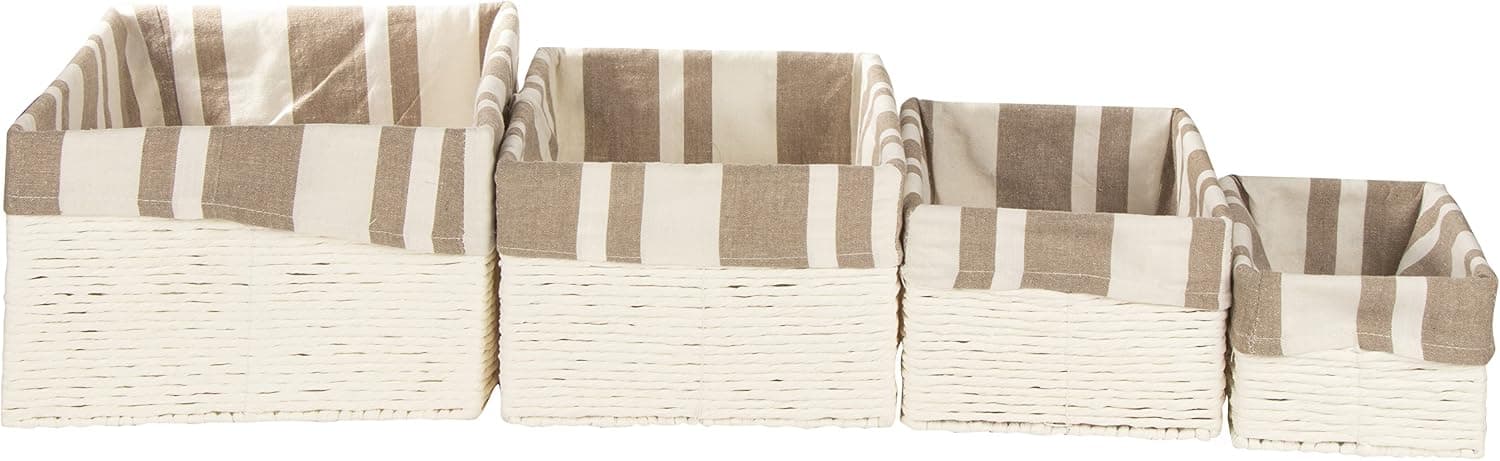
A tall, narrow shelving unit uses vertical space efficiently in a typically small room, while woven bins on open shelves hide the visual clutter of toiletries without needing full cabinetry.
Home Office: Closed Cabinets With One Open Shelf
A mix of closed storage (for genuine work clutter — cables, files) and one open shelf (for a few styled objects) balances function and appearance better than either fully open or fully closed storage alone.
Kids' Rooms: Labeled Bins at Kid Height
Storage bins placed at a height kids can actually reach and labeled with pictures (for pre-readers) or words genuinely gets used, versus storage that requires adult help to access.
The General Principle: Match Visibility to Contents
Items you're comfortable having visible (nice books, ceramics, folded towels) suit open storage; items you'd rather not see daily (cables, miscellaneous clutter, off-season items) belong in closed storage — sorting by this rule before choosing storage type saves a lot of trial and error.
Bottom Line
The best decorative storage doesn't force a choice between organized and good-looking — matching the storage type (open vs. closed, decorative vs. purely functional) to what's actually going inside solves both problems at once.