Dining rooms range from a formal room used a handful of times a year to an everyday eating spot that doubles as a workspace. The right decor approach depends heavily on which one yours actually is.
Size the Rug to the Table, With Room to Spare
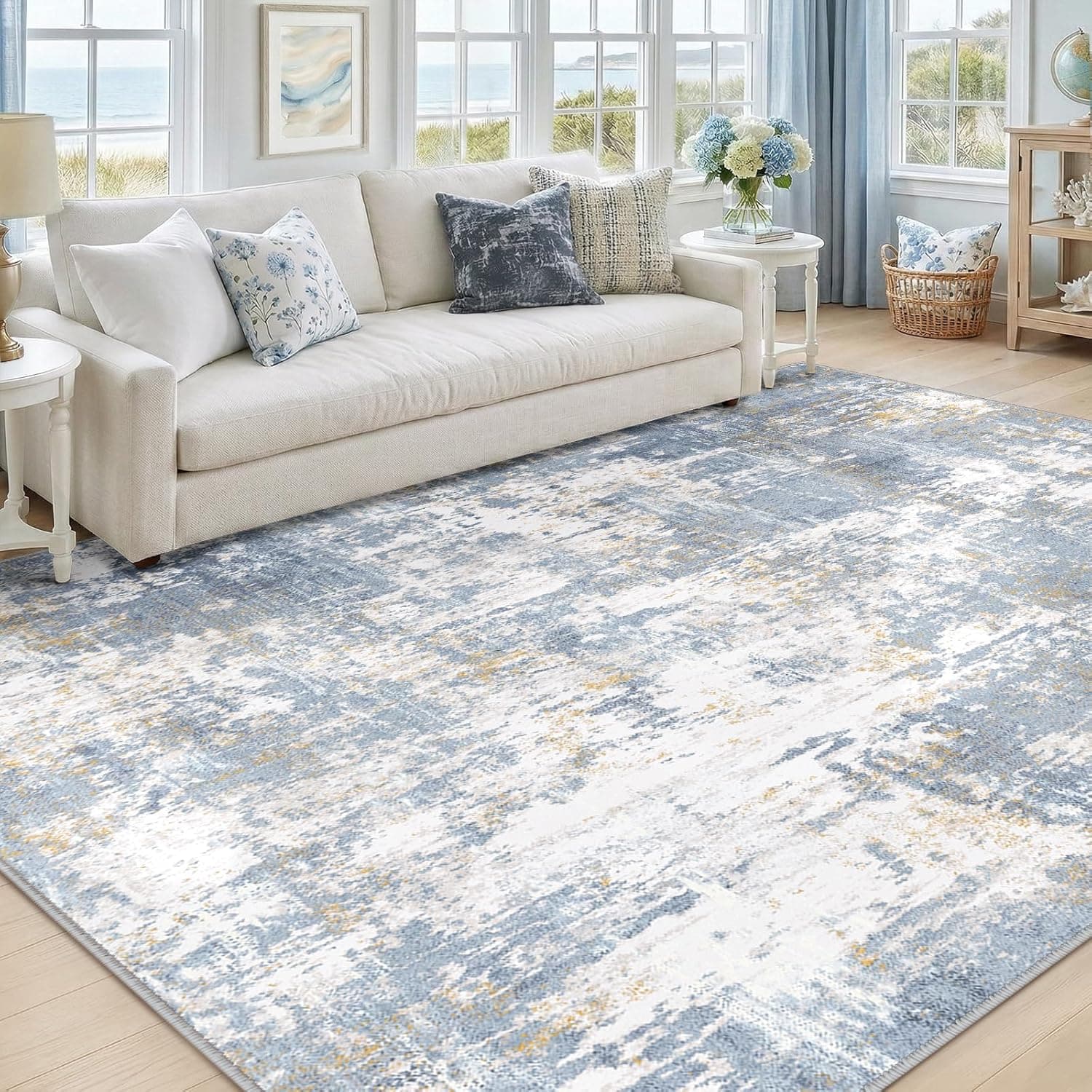
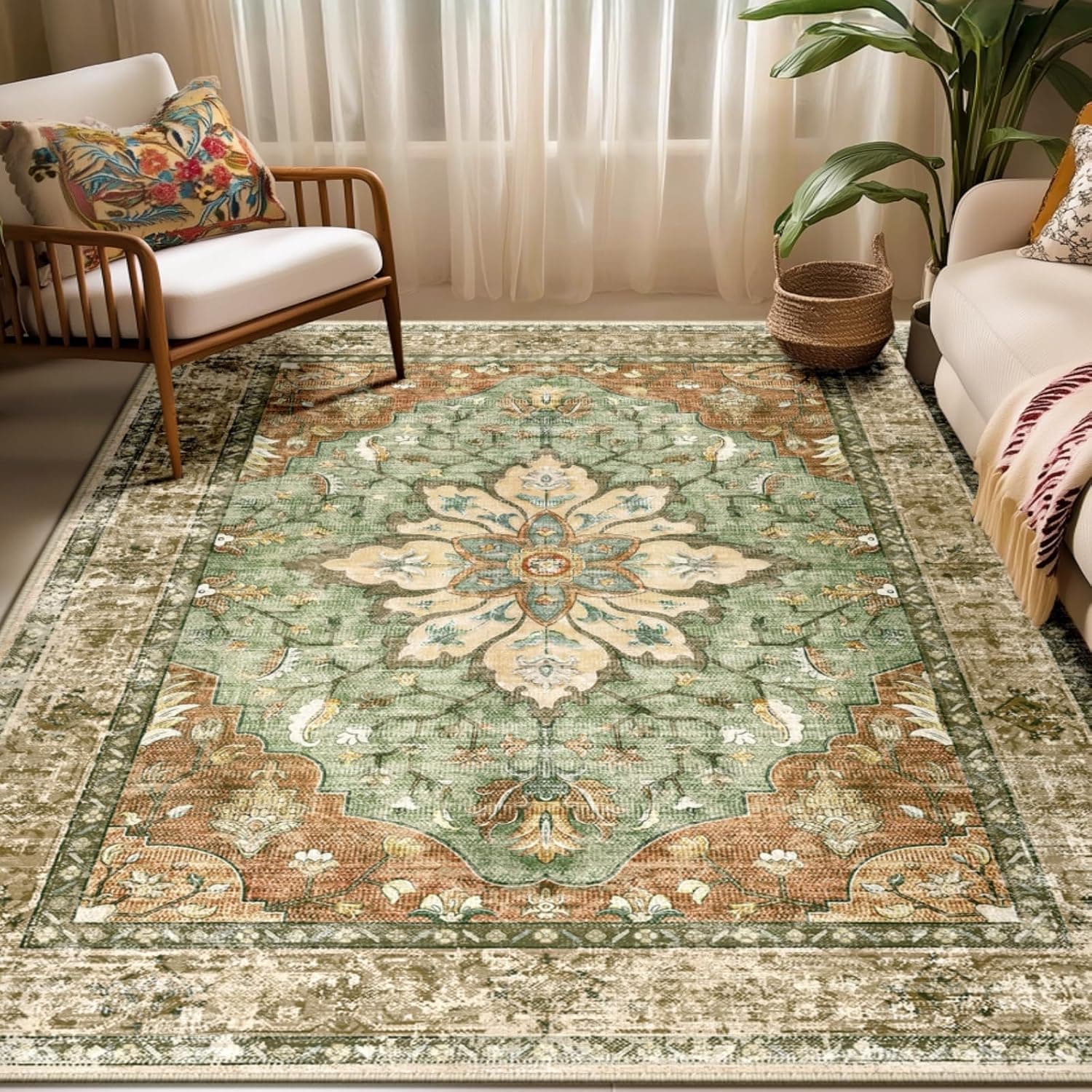
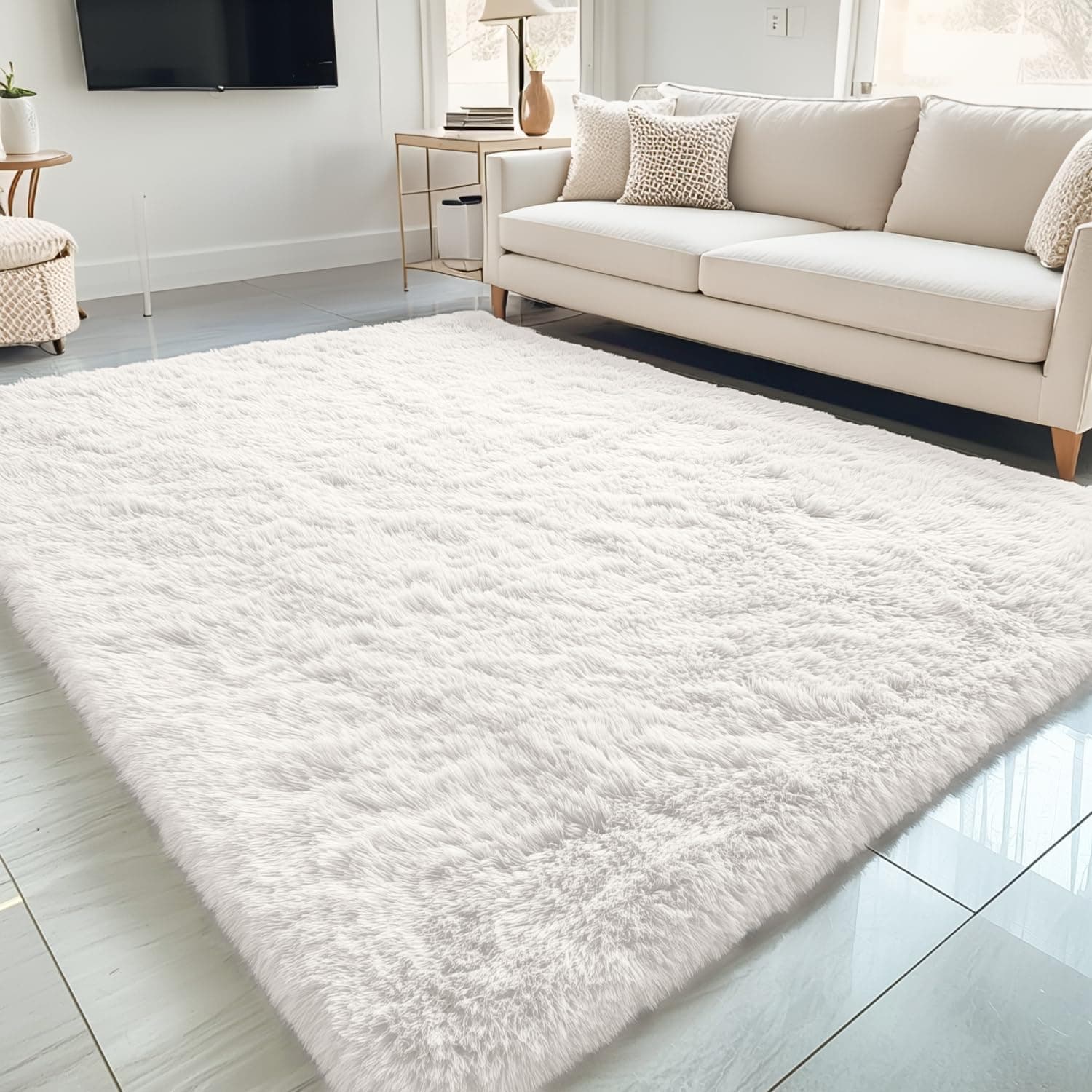
The rug under a dining table needs to be large enough that chairs stay on it even when pulled out to sit down — typically 24-30 inches of rug beyond each edge of the table. An undersized dining rug is one of the most common mistakes in this room, and chairs catching the rug edge is the annoying daily result.
Lighting Should Be Centered and Sized to the Table
A pendant or chandelier over the dining table should generally be roughly a third to half the table's width, hung so the bottom sits 30-36 inches above the table surface. Too small or too high, and the fixture reads as an afterthought rather than a focal point.
A Sideboard or Buffet Adds Function and Presence
If you have the space, a sideboard solves the extra-serving-space problem during meals and gives you a surface to style with a lamp, art, or a few objects the rest of the year. In a smaller dining room, a narrow console against a wall does the same job with a smaller footprint.
For Every-Day Dining Rooms: Prioritize Durability
If the table gets daily use (especially with kids or as a secondary workspace), choose a durable, easy-to-clean tablecloth or placemats over delicate linens, and consider a rug with a pattern that forgives spills rather than a solid pale color.
For Formal or Rarely-Used Dining Rooms: Lean Into the Occasion
If this room is mostly for holidays and gatherings, you can afford more delicate textiles and a more elaborate centerpiece since daily wear isn't a factor. This is also a good room to display a collection (china, glassware) that wouldn't hold up to daily kitchen use.
Art Should Suit a Seated Eye Level
Because people spend most of their time in this room seated, hang art slightly lower than the standard 57-60 inch guideline used for other rooms — closer to what looks right from a seated position at the table.
Bottom Line
Match your decor commitment to how the room is actually used — an everyday dining room needs durability first, a special-occasion room can prioritize the visual statement, and both benefit from a properly sized rug and a well-scaled light fixture over the table.