Two people sharing a bedroom, whether siblings or roommates, often need a sense of individual space even without the budget or lease terms to allow an actual wall. A few layout and decor strategies create that division effectively without construction.
Bunk or Loft Beds Solve Floor Space First
Before addressing zoning, a bunk or loft bed configuration frees up significant floor space compared to two twin beds side by side, which gives you more room to actually create separate zones with everything else.
A Bookshelf as a Soft Room Divider
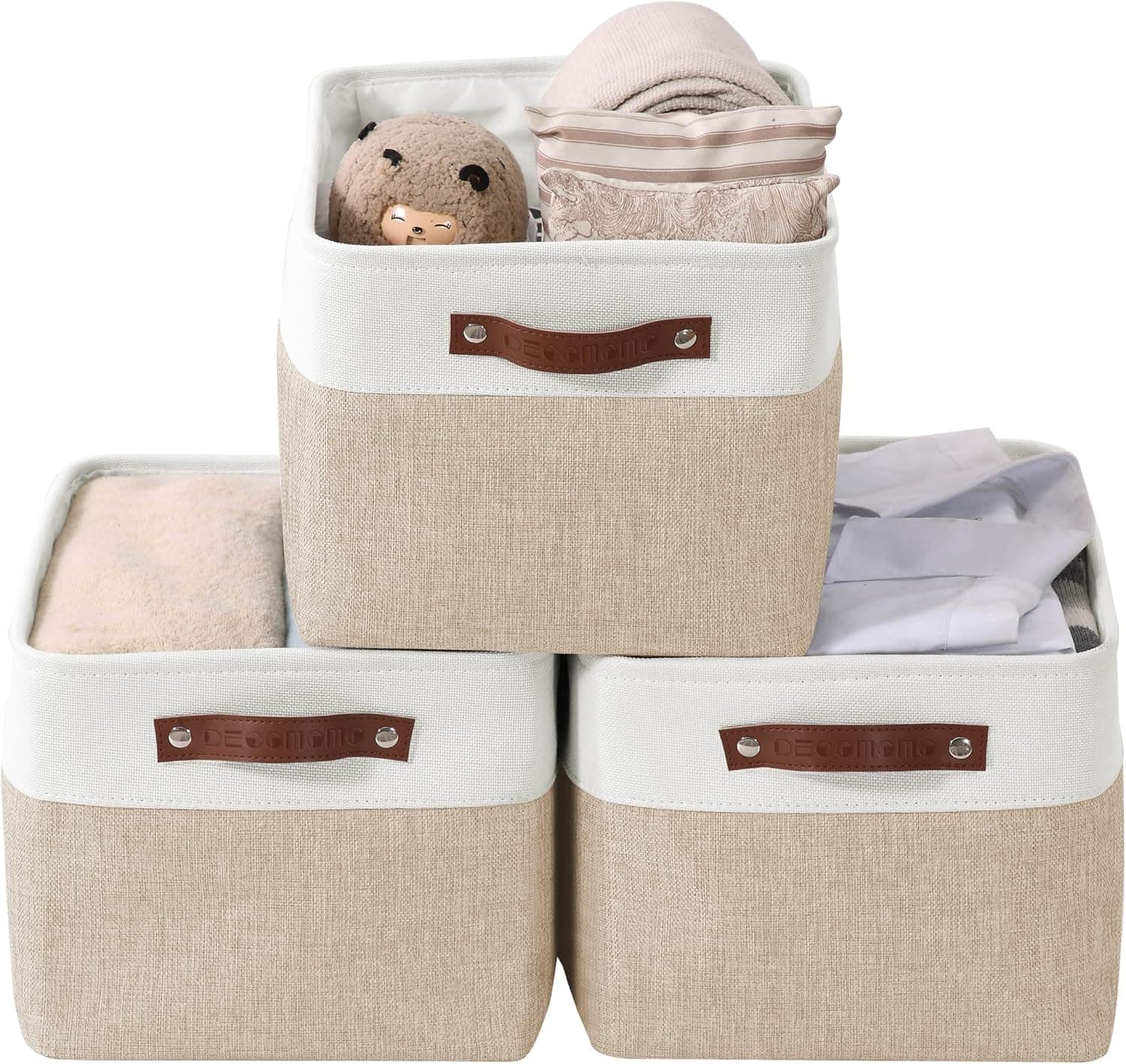
A tall, open-back or closed bookshelf positioned perpendicular to a wall can function as a partial divider between two sleeping areas, providing storage on both sides while creating a visual and physical break between the two zones.
Distinct Bedding and Wall Decor Per Side
Even in an otherwise identical layout, letting each person choose their own bedding colors and wall art for their specific side reinforces a sense of individual ownership over their space, which matters especially for kids sharing a room.
Personal Lighting Control
Giving each side its own light source, a bedside lamp or a plug-in sconce, rather than relying only on a shared overhead fixture, lets each person control their own space independently, useful for different sleep and wake schedules.
A Curtain for Full Visual Privacy When Needed
For situations where more complete separation matters, a ceiling-mounted curtain track around one bed creates a fully private zone on demand without any permanent structural change, and it's easily removed later.
Bottom Line
Zoning a shared bedroom doesn't require construction, furniture placement, individual lighting, and personalized decor on each side go a long way toward giving two people their own defined space within one room.