In a small bedroom, the bed alone can claim half the floor. The rest of the layout has to work around that constraint smartly, or the room ends up with an unusable strip of leftover space instead of a functional layout.
Push the Bed Into a Corner (When Possible)
Placing the bed against two walls instead of floating it frees up an entire side of the room for a dresser, desk, or simply walking space — a meaningfully different feeling than a centered bed with narrow gaps on both sides.
Choose a Platform Bed to Skip the Box Spring
A platform bed sits lower and often includes built-in storage drawers, both of which help in a small room — lower furniture reads as less space-consuming, and drawer storage replaces a dresser you might not have room for.
Nightstands Can Be Wall-Mounted Shelves
A small floating shelf instead of a traditional nightstand frees up floor space along the bed's side without sacrificing a spot for a lamp and a book.
Use a Mirror Instead of Extra Furniture for "Wow"
Rather than adding another furniture piece for visual interest, a well-placed mirror adds impact without eating into floor space — and it reflects light, which helps a small room feel less closed-in.
Closet Doors: Consider Swapping Swing for Sliding
Swing-open closet doors need clearance that a sliding or bifold door doesn't — in a genuinely tight bedroom, this swap can free up usable square footage that was previously just door-swing clearance.
Skip the Bench at the Foot of the Bed
A bedroom bench looks great in larger rooms but often just becomes a floor space obstacle in a small one — skip it unless the room is genuinely large enough to absorb it without narrowing your walking path.
Use Under-Bed Space Deliberately
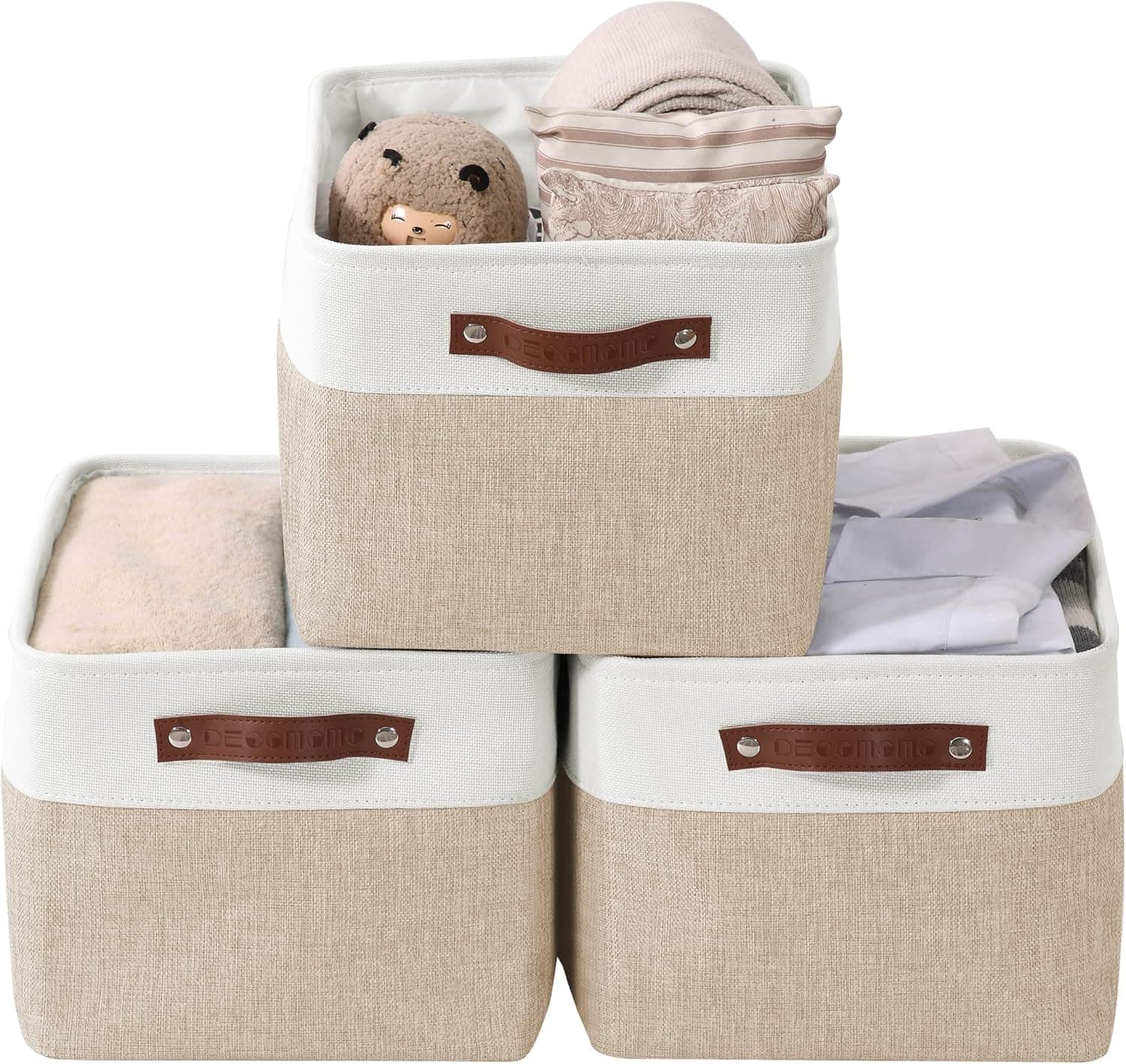
Storage bins or drawers under the bed use space that's otherwise wasted — but measure clearance first, since not all bed frames have enough ground clearance for standard bins.
Keep a Clear Path From Door to Bed
Whatever else you do with the layout, keep at least one clear, reasonably wide path from the door to the bed — a room that requires navigating around furniture just to get to sleep will always feel smaller than it is.
Bottom Line
A corner-placed bed, wall-mounted or low-profile furniture, and one strategically placed mirror solve most small-bedroom layout problems without requiring you to buy smaller furniture across the board.