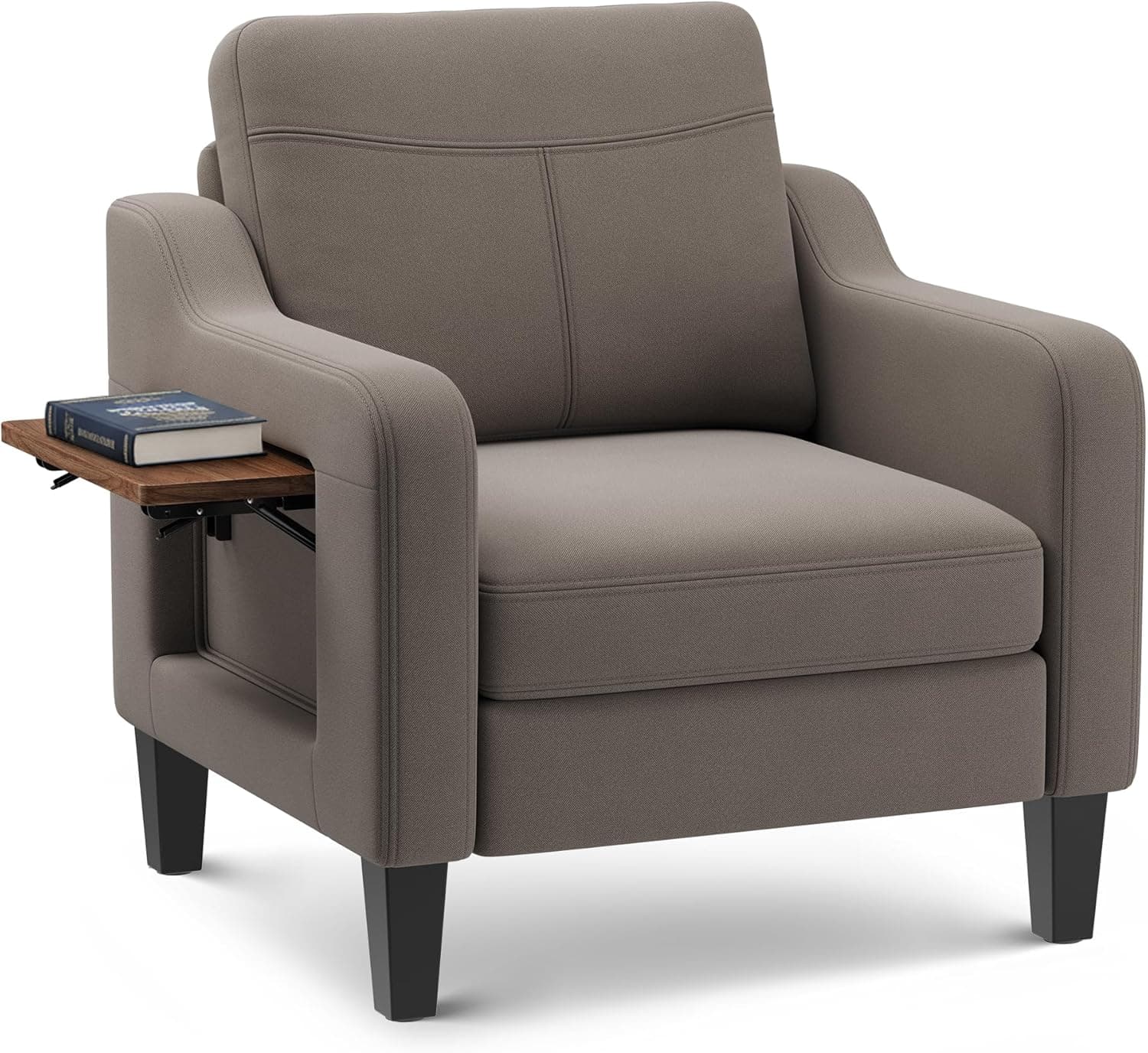
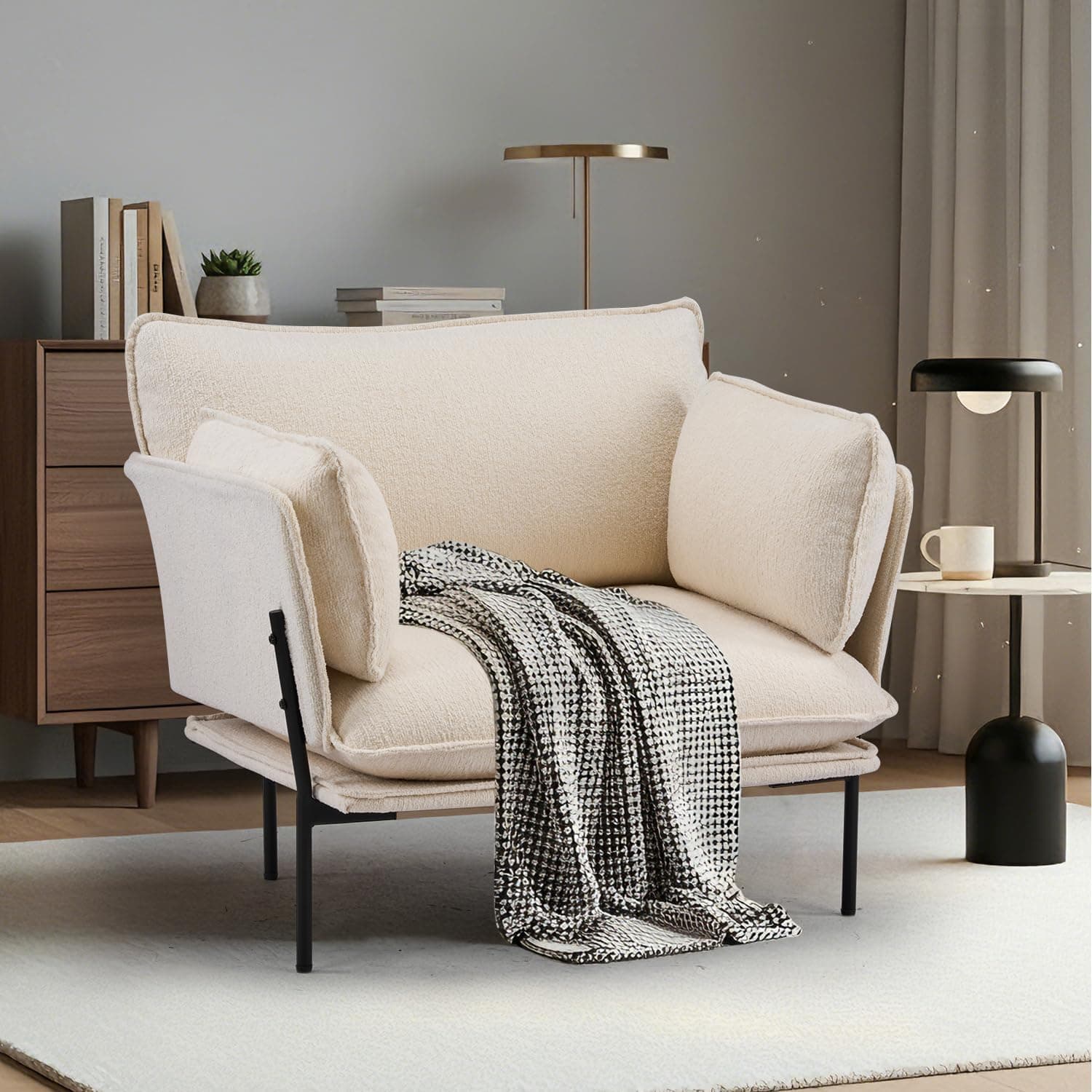
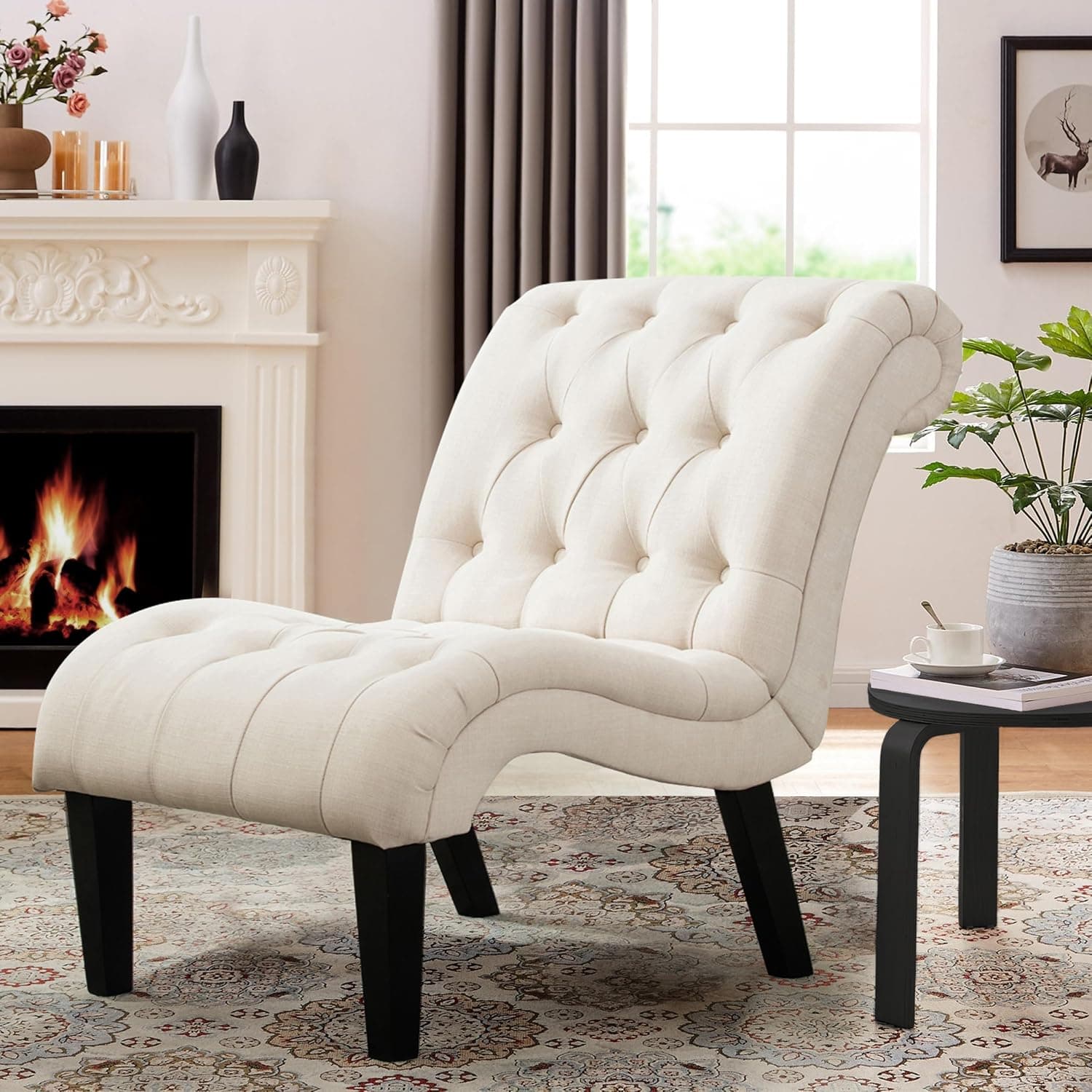
Textiles — rugs, curtains, upholstery, bedding — represent a meaningful share of a home's overall environmental footprint, and the fabric choice itself matters as much as how the item is eventually disposed of.
Linen: Durable and Biodegradable
Made from the flax plant, linen requires relatively little water and pesticide input to grow compared to conventional cotton, and it's genuinely durable — a well-made linen textile can last for years and biodegrades naturally at the end of its life.
Organic Cotton: Lower-Impact Than Conventional Cotton
Conventional cotton farming is water- and pesticide-intensive; organic cotton, grown without synthetic pesticides and typically with more efficient water use, is a meaningfully lower-impact alternative for the same general fabric feel and function.
Wool: Renewable and Long-Lasting
Wool is a renewable resource (sheep are shorn annually, not slaughtered for the fiber) and tends to be exceptionally durable and naturally stain- and odor-resistant, which extends the useful life of wool rugs and textiles considerably.
Hemp: Low-Input, High-Durability
Hemp requires less water and fewer pesticides than most conventional fiber crops, and the resulting fabric is notably durable — a strong option for high-wear textiles like rugs or upholstery.
Recycled Polyester: A Better Synthetic Option
For situations where a synthetic fiber's durability or water-resistance is genuinely needed (outdoor cushions, for example), recycled polyester (made from post-consumer plastic, often recycled bottles) is a lower-impact alternative to virgin synthetic fiber.
What to Avoid If Sustainability Is a Priority
Conventional (non-organic) cotton, and synthetic blends with no recycled content, generally carry a higher environmental cost than the alternatives above, both in production and in end-of-life biodegradability.
Check for Certifications, Not Just Marketing Language
Look for specific certifications — GOTS (Global Organic Textile Standard) for organic textiles, OEKO-TEX for reduced harmful substances — rather than relying on generic "eco" or "natural" language on a product label.
Durability Is Itself a Sustainability Factor
A textile that lasts twice as long, even if its raw material isn't the absolute lowest-impact option, can have a smaller overall footprint than a "greener" material that wears out and needs replacing twice as often — durability and material choice both matter together, not material choice alone.
Bottom Line
Linen, organic cotton, wool, and hemp all carry a genuine sustainability case backed by lower input requirements and biodegradability — look for specific certifications (GOTS, OEKO-TEX) rather than vague eco-marketing language when evaluating textile claims.