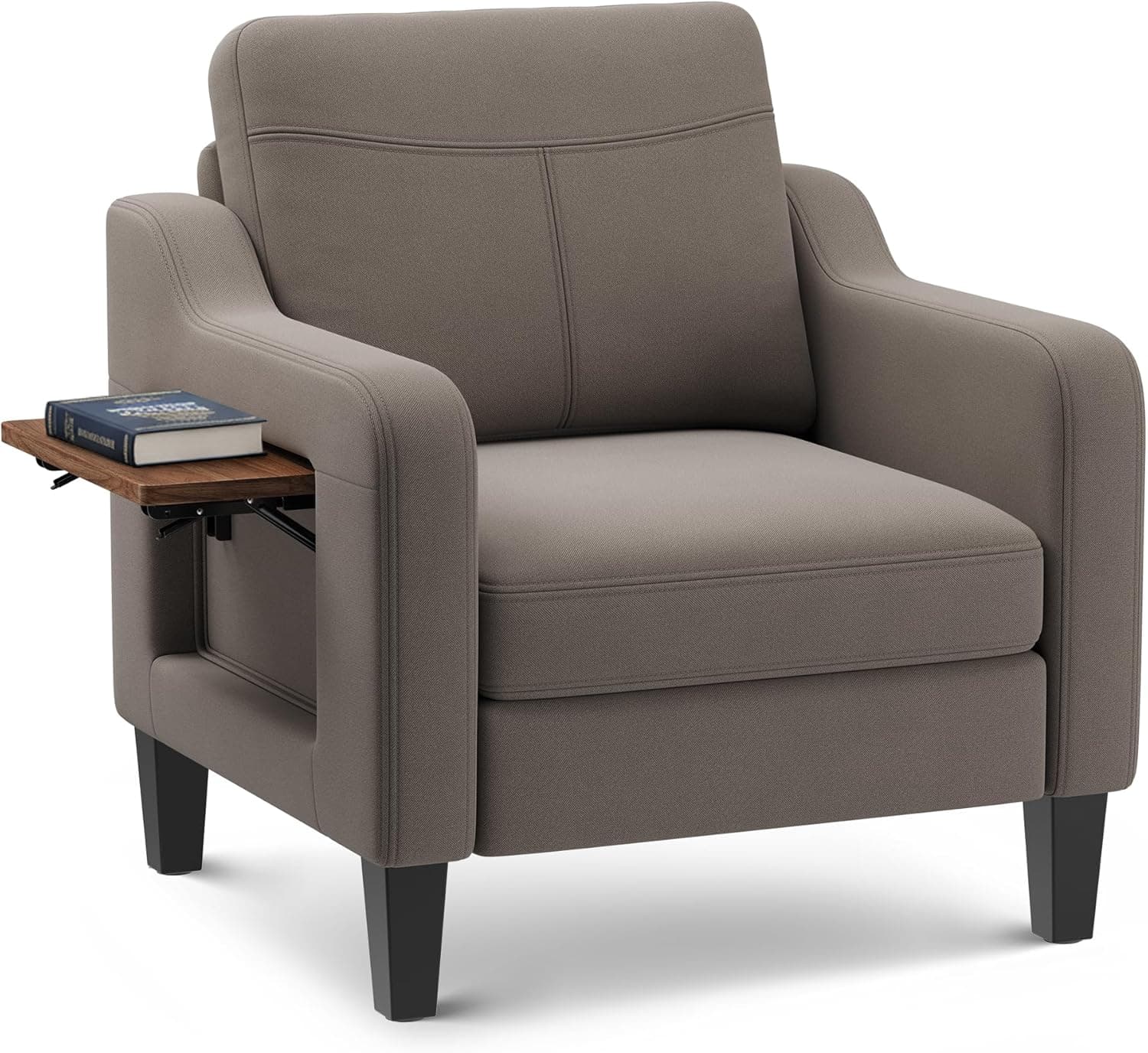
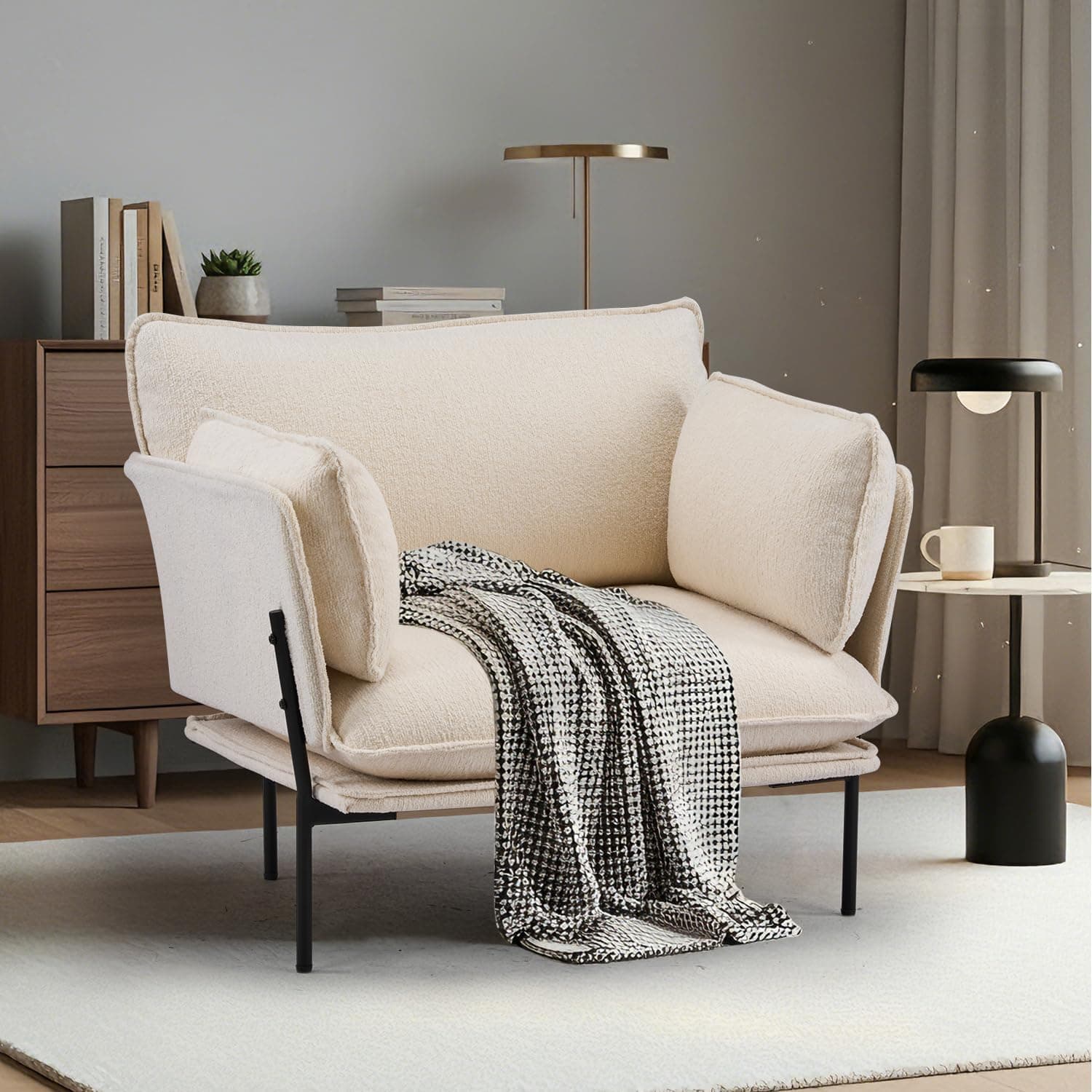
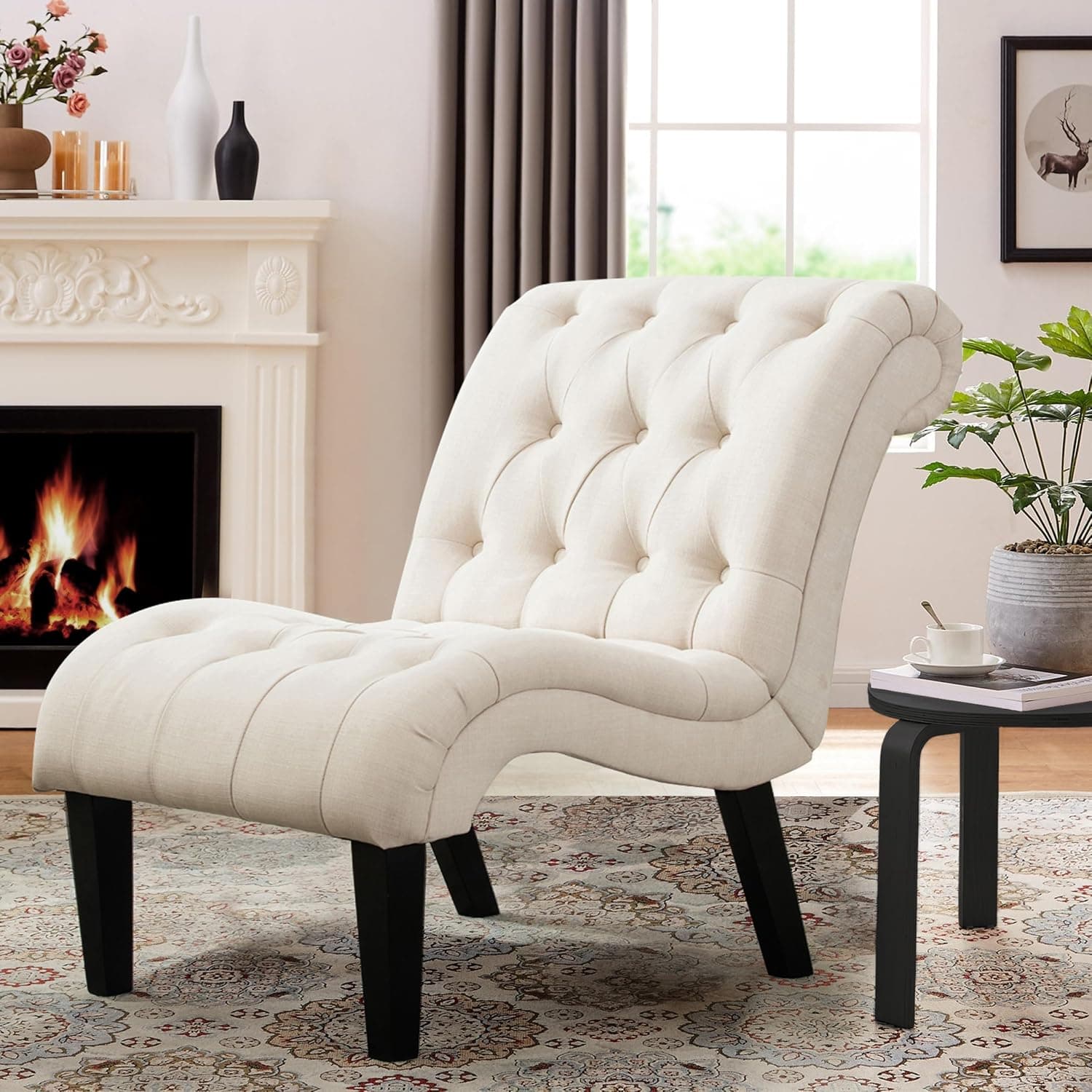
"Slow decorating" pushes back against the instinct to furnish an entire room in one shopping trip. Instead, it means living in a space, sometimes with gaps or mismatched pieces, and adding to it gradually as you actually figure out what you need and genuinely like.
Why Furnishing a Room All at Once Often Backfires
Buying an entire room's furniture in a single pass, especially from one collection or store, means every decision is made before you've actually lived in the space and learned how it's used. It's common to end up with pieces that looked right in a showroom but don't quite work once daily life is layered on top.
Living With Gaps Provides Real Information
An empty corner or a missing side table isn't a failure, it's information. Living with a gap for a while often reveals exactly what the room actually needs there, a plant, a chair, extra storage, more accurately than guessing upfront ever could.
It Naturally Favors Quality Over Quantity
Since slow decorating isn't rushing to fill every gap immediately, there's more room to wait for the right piece, whether that's a better price, a secondhand find, or simply more certainty about the choice, rather than settling for whatever's available to complete the room quickly.
It Reduces Decorating Regret
A large share of furniture regret comes from decisions made too quickly, under pressure to finish a room by a specific date. Slower, more deliberate decision-making, spread out over months rather than compressed into one weekend, tends to produce choices people are happier with years later.
It Doesn't Mean the Room Looks Unfinished Forever
Slow decorating isn't the same as neglecting a room indefinitely, it's a different pace toward the same finished goal, with more intentional choices along the way rather than filling every gap under time pressure.
Bottom Line
Slow decorating trades the instant gratification of a fully furnished room on day one for more deliberate, better-informed choices over time, generally producing a space people are more genuinely satisfied with once it's actually complete.