Lamps look simple to shop for, but a surprising number of small specification details determine whether a lamp actually works well in your space — here's what to check before buying.
Match Lamp Height to Its Location
A table lamp next to a seated area (a sofa, a bed) should generally have its shade bottom at roughly eye level when seated, so the bulb isn't directly visible and glaring. A floor lamp beside a reading chair should position its light source above shoulder height when seated, for effective reading light without harsh glare.
Shade Diameter Should Relate to the Base
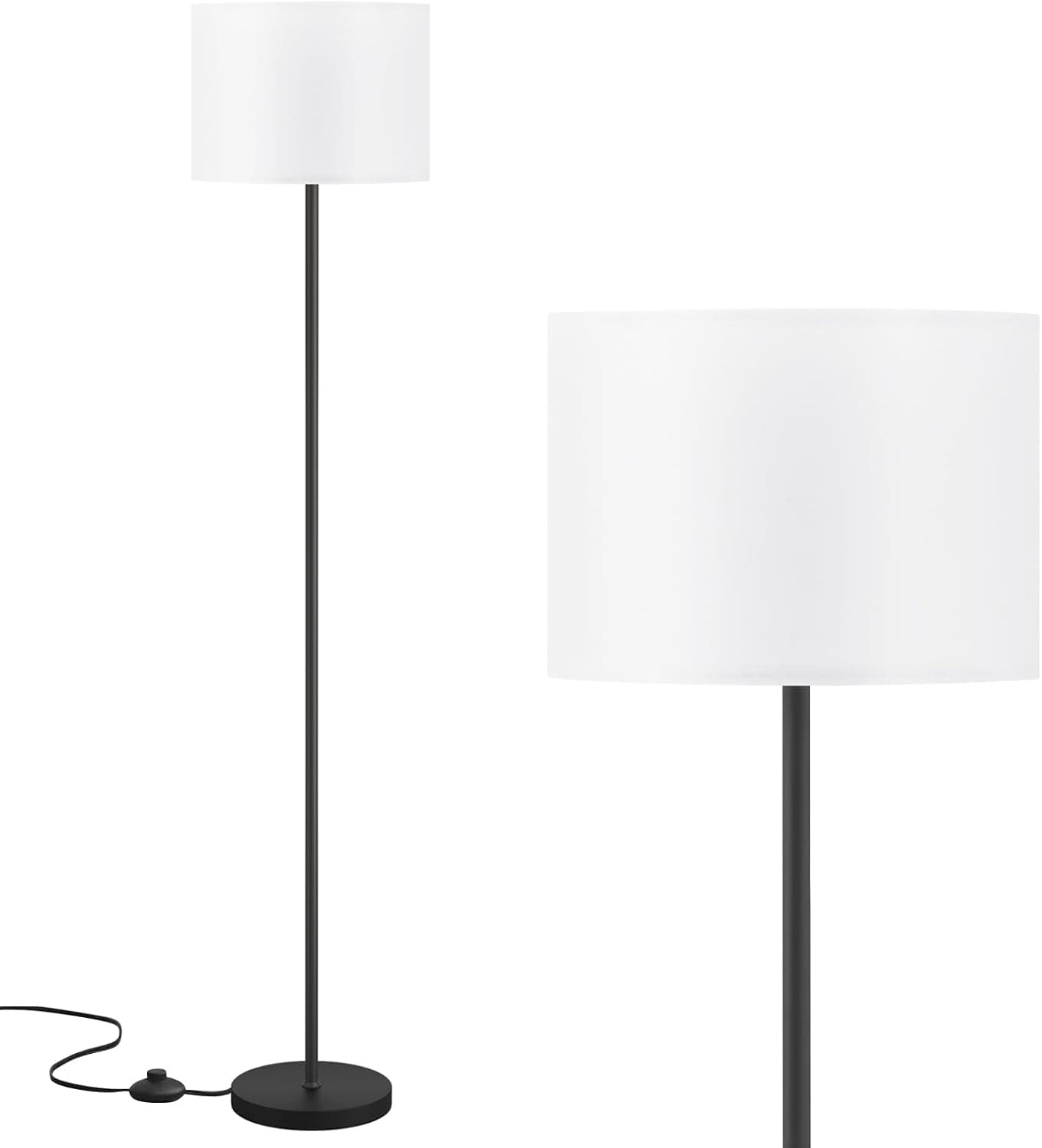
As a rough guide, the shade's diameter should be close to the height of the lamp's base — a shade that's too small relative to a tall base looks top-heavy in reverse (too little shade for the visual weight below it), while an oversized shade on a thin base can look unstable even when it's structurally fine.
Check the Bulb Type and Max Wattage
Confirm what bulb type and maximum wattage the fixture is rated for before assuming you can use whatever bulb you already own — some fixtures are rated for lower wattages than standard incandescent bulbs, though this matters less with LED bulbs which run cooler regardless.
Dimmable Compatibility Isn't Automatic
If you want to use a dimmer switch or dimmable smart bulb, check that the lamp's socket and any built-in dimmer (some lamps have one built into the cord) are actually compatible — not all fixtures work well with all dimming methods, and mismatches can cause flickering.
Cord Length and Placement Planning
Measure the distance from your intended lamp location to the nearest outlet before buying — a lamp with a cord too short for its intended spot either needs an extension cord (not ideal aesthetically) or a different location than planned.
Floor Lamp Base Stability Matters More Than It Seems
A floor lamp with a small, light base is more prone to tipping, especially in homes with kids or pets. Check the base diameter and weight, particularly for taller or arc-style floor lamps that extend outward.
Three-Way Sockets Add Real Flexibility
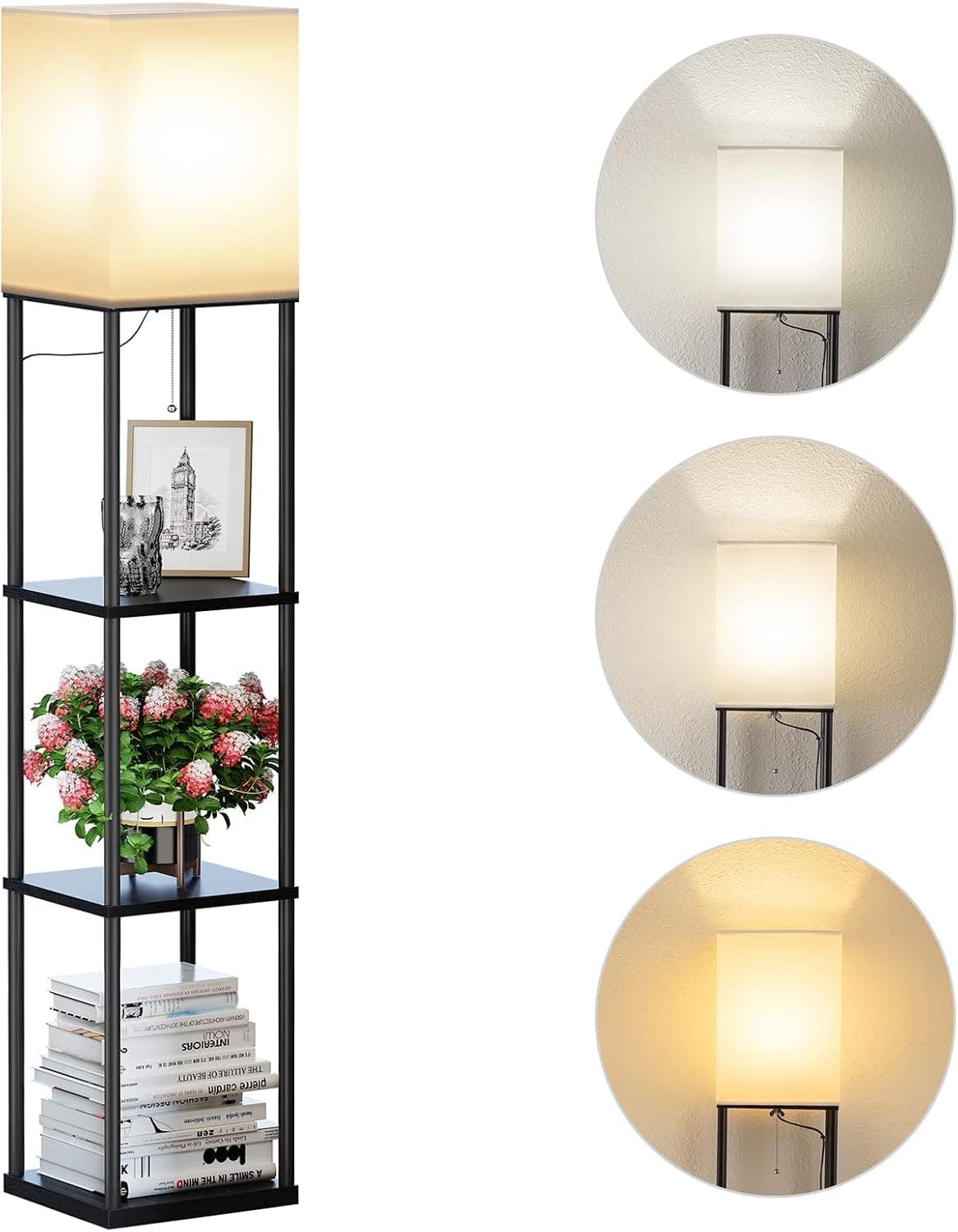
A lamp with a three-way socket (allowing multiple brightness levels with a compatible three-way bulb) offers more flexibility than a single-brightness fixture, without needing to add a separate dimmer switch.
Bottom Line
Check shade-to-base proportion, confirm bulb compatibility for your intended use (dimming especially), and measure cord length against your actual outlet location — these details matter more to daily satisfaction than the lamp's style alone.