Furniture arrangement advice usually assumes a clean focal point, a fireplace centered on a wall, a large window with a view. Plenty of real rooms don't have that: an off-center window, a doorway interrupting the best wall, or genuinely no obvious focal point at all.
Create a Focal Point If One Doesn't Exist
When a room has no natural focal point, you can create one. A large piece of art, a bold mirror, or a well-styled bookshelf on an otherwise blank wall can function as the anchor the room is missing, giving furniture something to orient around.
Work With an Off-Center Feature, Don't Fight It
An off-center window or fireplace doesn't need to be visually centered by the furniture arrangement. Instead of forcing symmetry around an asymmetric architectural feature, arranging furniture in a balanced but asymmetric layout, a larger piece on one side balanced by two smaller ones on the other, often looks more natural than a forced center line.
Floating Furniture Away From Walls
In a room without a clear focal wall, pushing all furniture to the perimeter can leave an awkward, unused void in the middle. Floating a sofa or seating arrangement away from the walls, oriented toward each other rather than toward a specific feature, creates its own focal zone through the conversation area itself.
Let a Rug Define the Layout
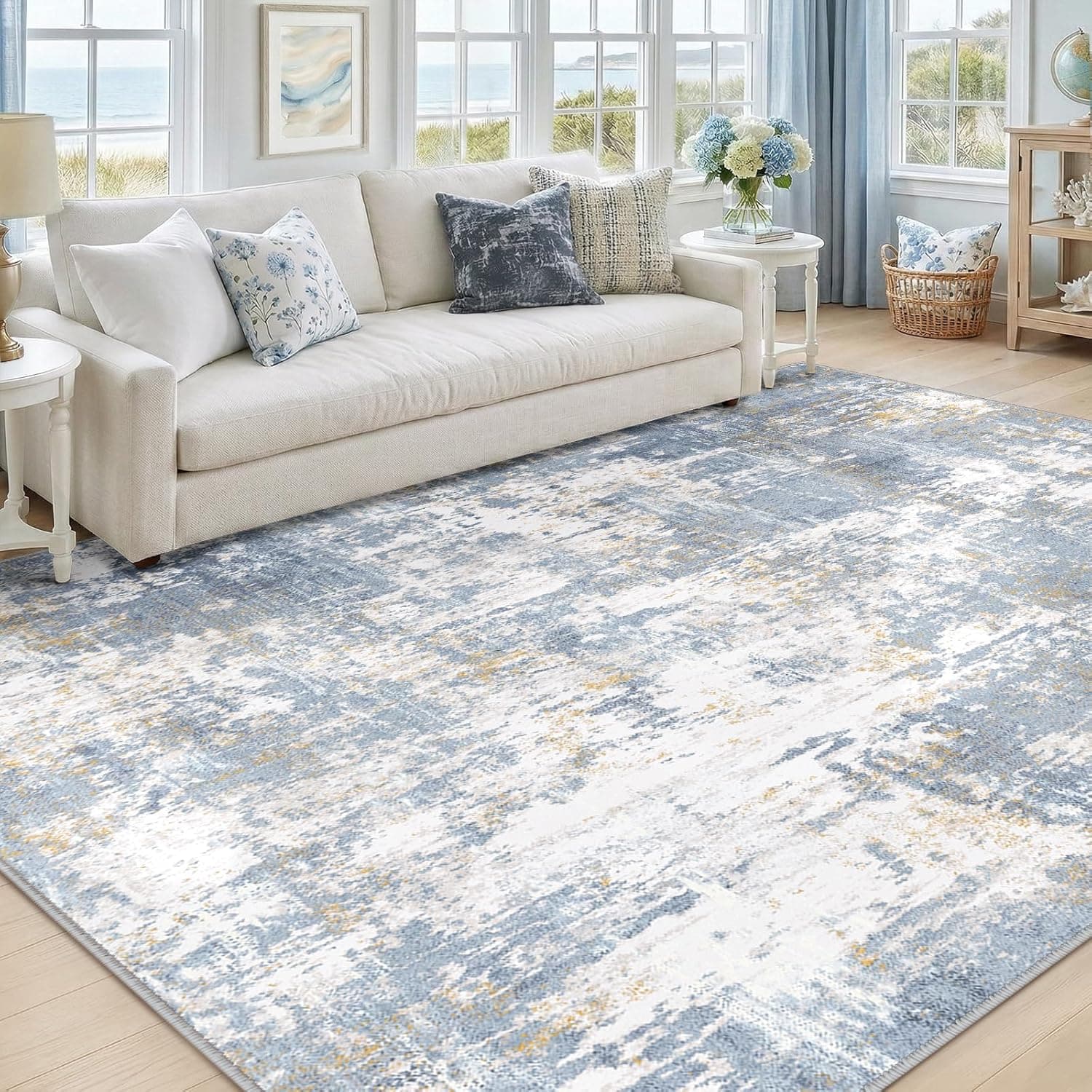
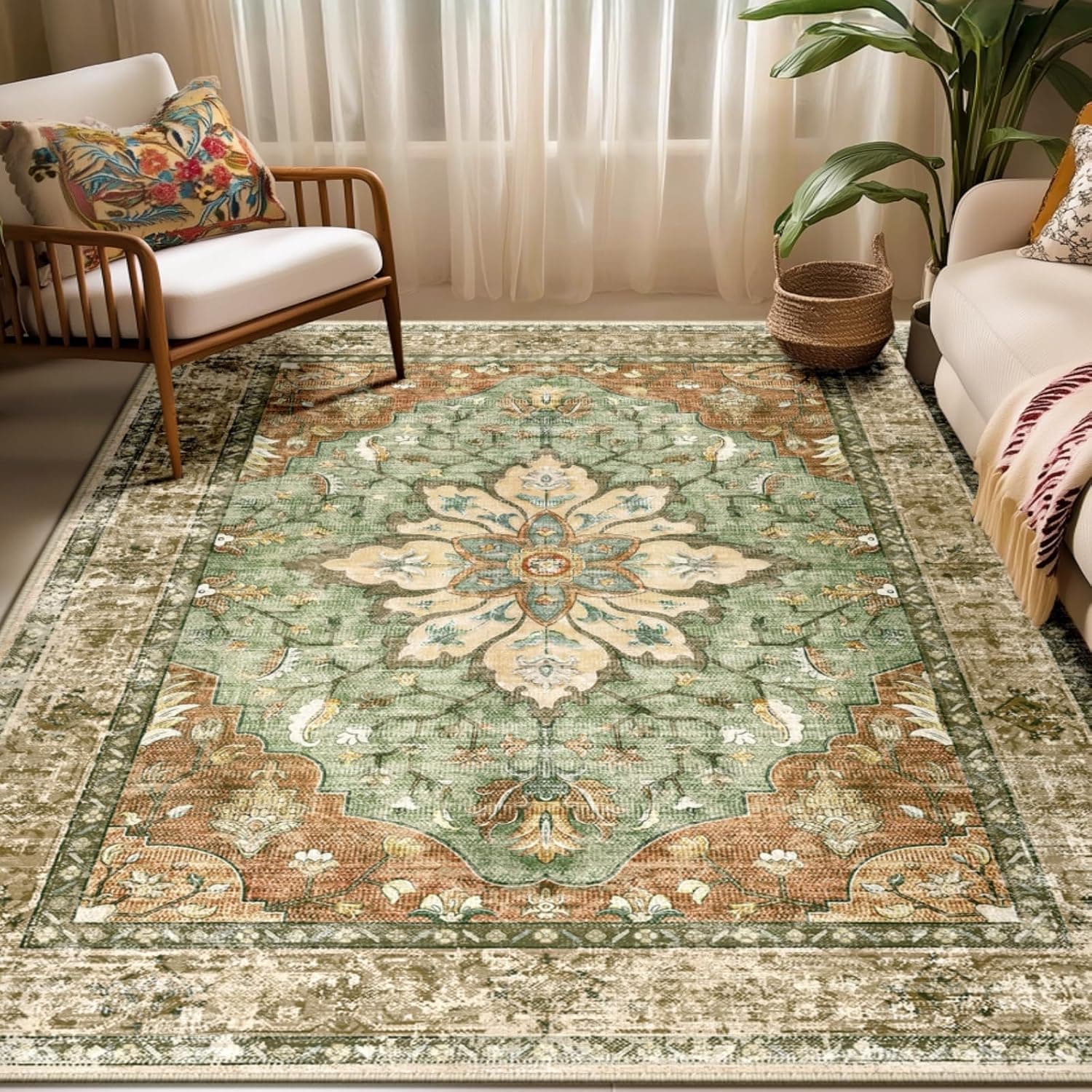
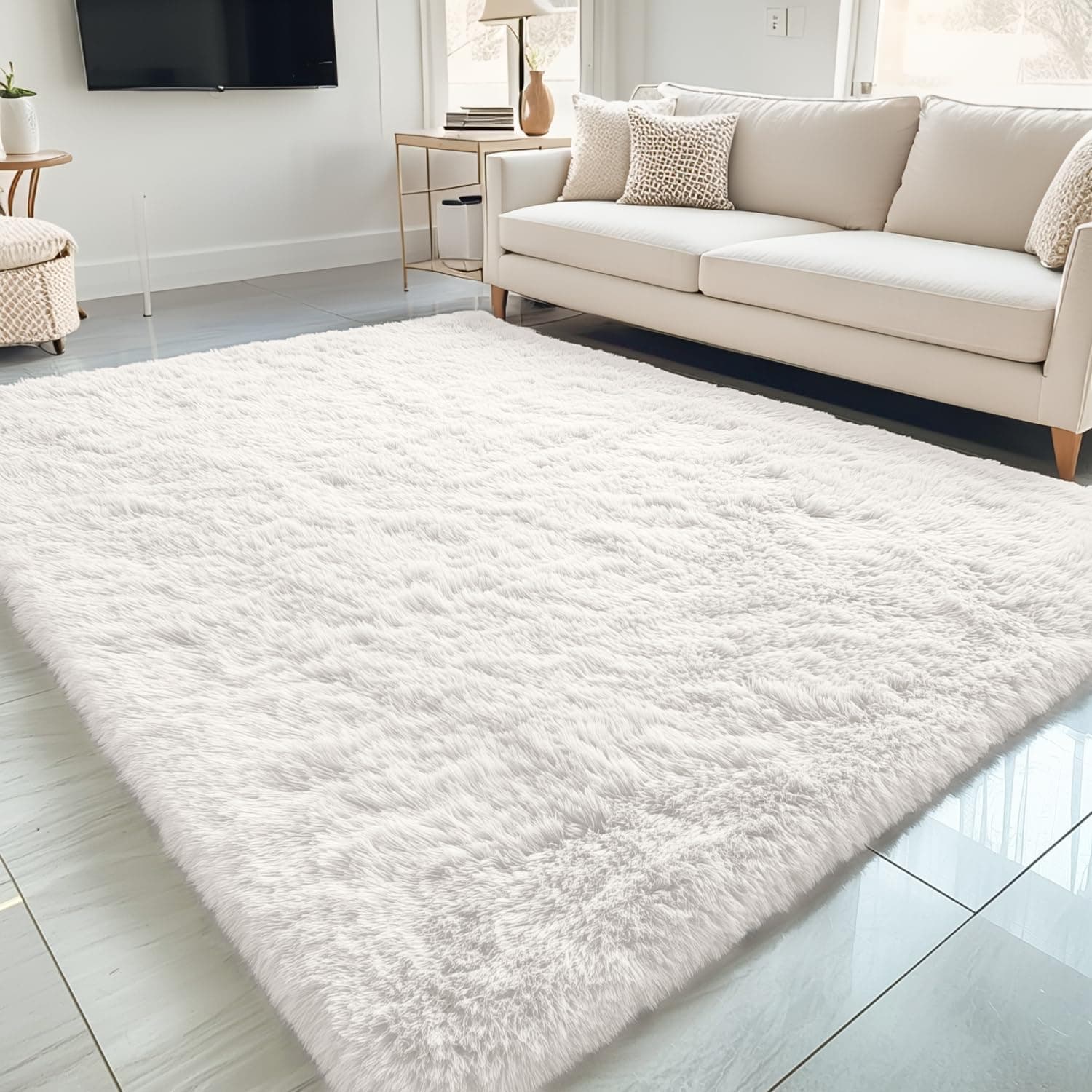
When there's no architectural focal point to build around, a rug can serve as the organizing element instead. Anchoring furniture legs on a rug creates a defined, intentional-feeling zone even in a room with no other obvious anchor.
Multiple Smaller Zones Instead of One Focal Point
In a larger or oddly shaped room, trying to force one single focal point can feel unnatural. Breaking the room into two or three smaller functional zones, a reading corner, a conversation area, each with its own smaller point of interest, can work better than insisting on one central anchor.
Bottom Line
A room without an obvious focal point isn't a lost cause, it just needs a different approach: creating an anchor through art or furniture placement, working with asymmetry rather than against it, or using a rug to define the layout instead of architecture.