A growing book collection eventually outgrows the available shelf space, and the default response is usually buying a larger bookcase. That's not always the most practical or space-efficient answer, especially in a smaller home where floor space for an additional large piece of furniture is limited.
Double-Stack Where It Actually Works
Stacking books horizontally on top of the vertically shelved row in front, rather than assuming every book needs its own vertical slot, meaningfully increases capacity on existing shelves without adding any new furniture.
Use Underused Vertical Space Elsewhere
Wall space above doorways, the top of a closet, or a high shelf running around a room's perimeter near the ceiling can hold less-frequently accessed books, freeing up prime, eye-level shelf space for what's actually reached for regularly.
Rotate a Reserve Collection
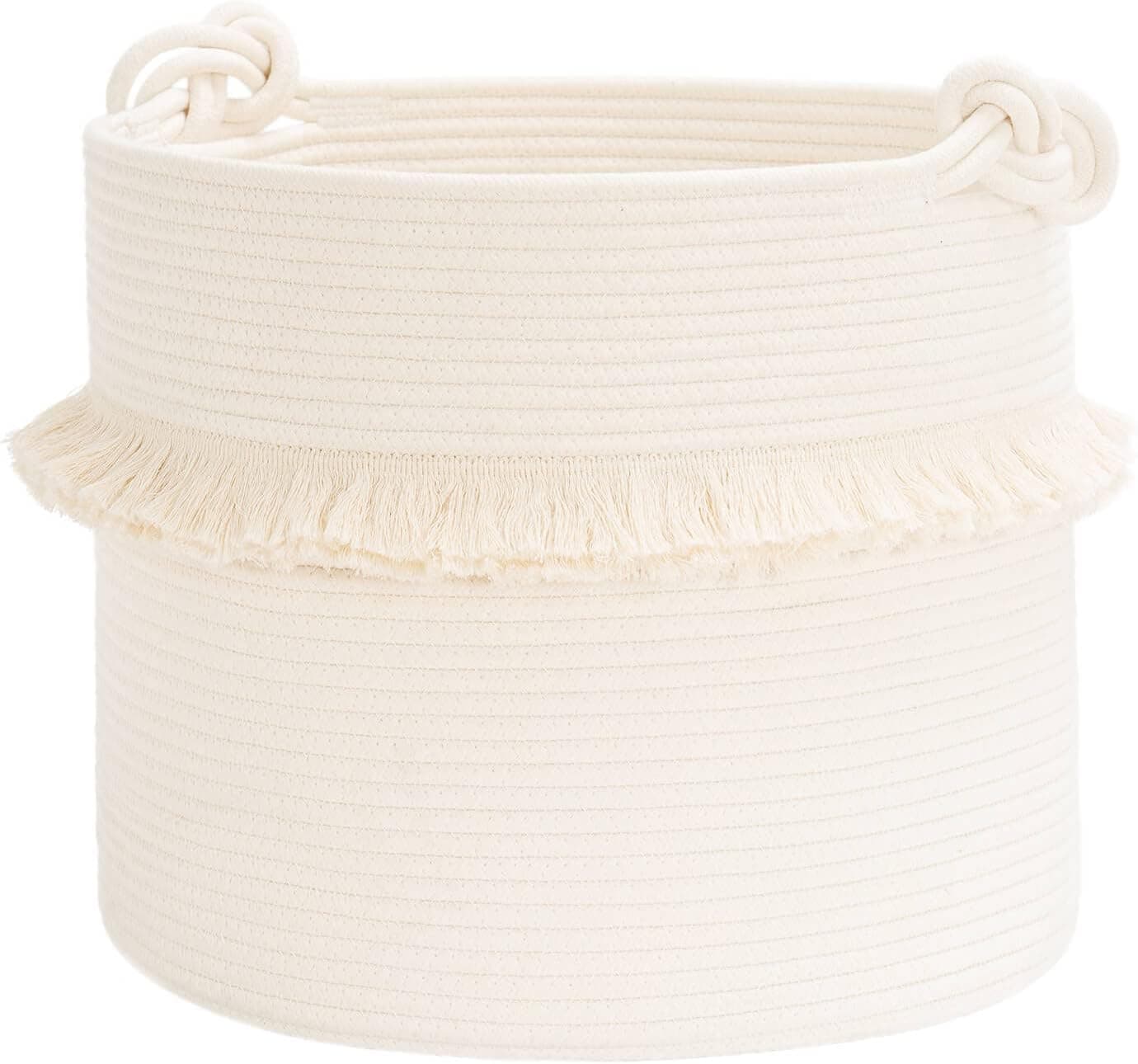
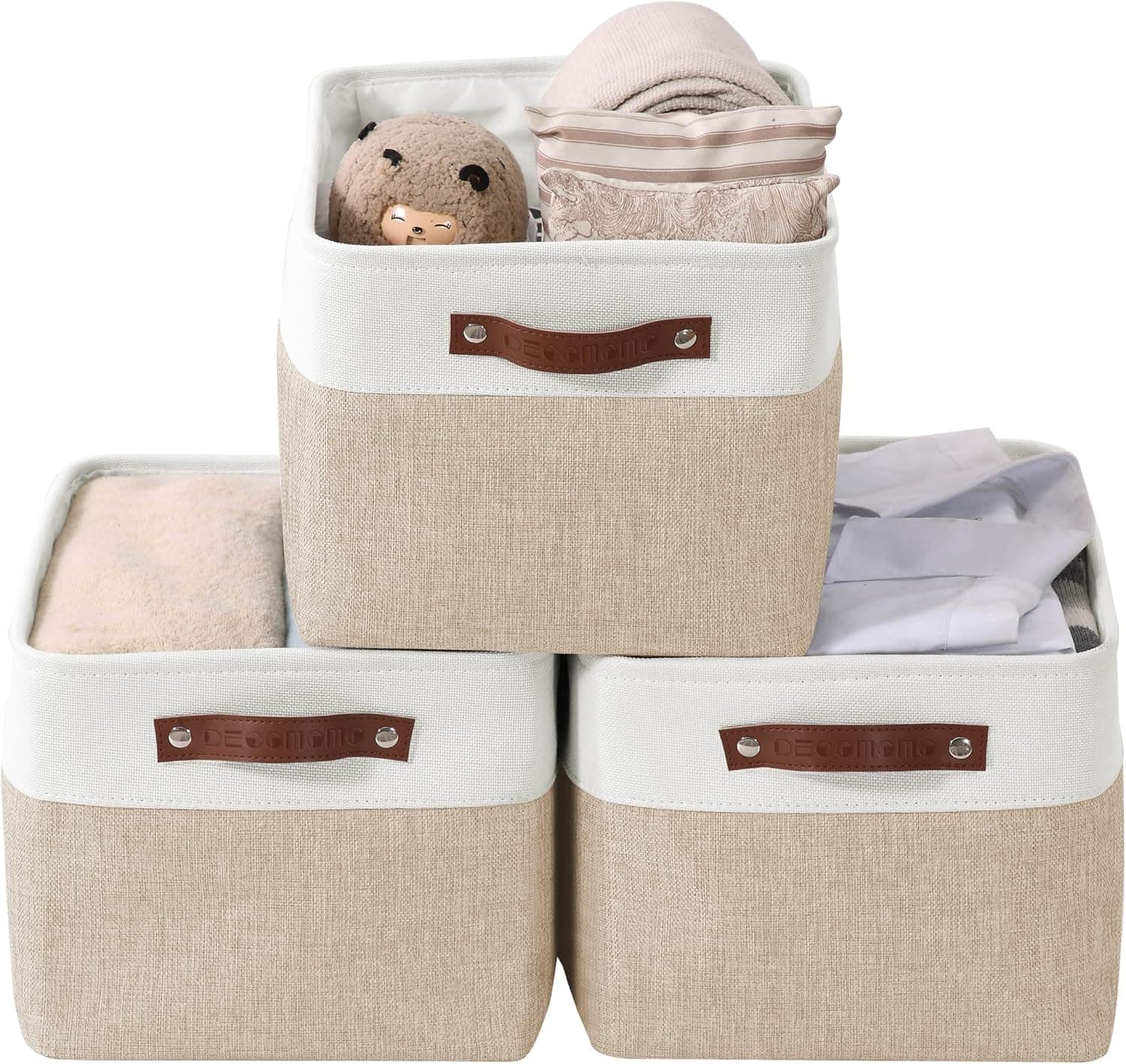
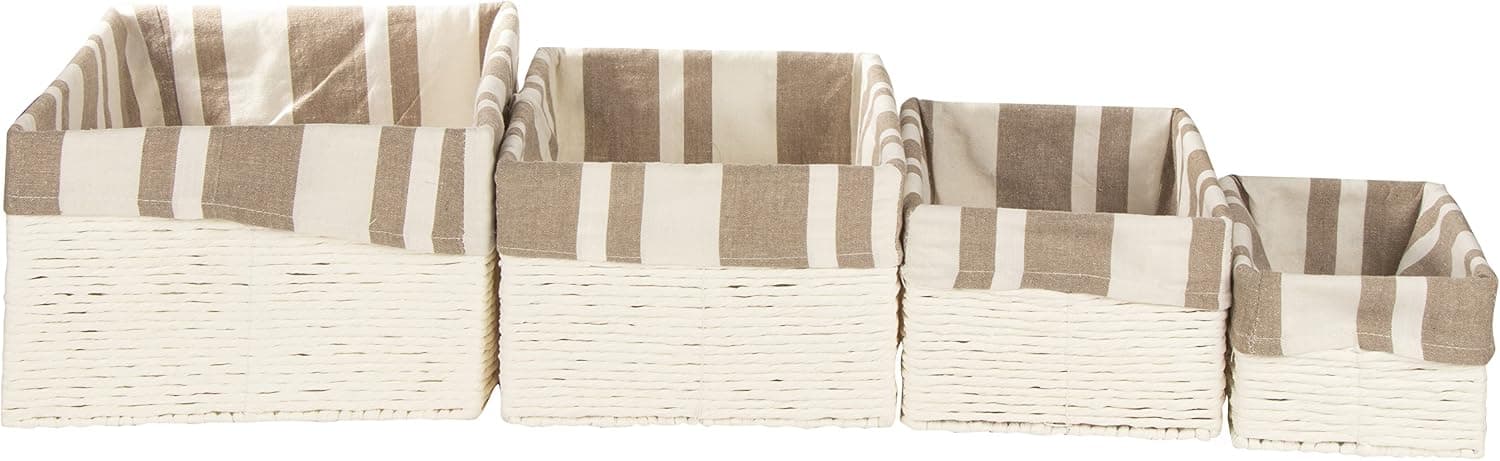
Storing a portion of the collection in labeled bins, and periodically rotating which books are on display versus in storage, keeps the full collection accessible over time without requiring shelf space for literally every book simultaneously.
Reassess What's Actually Being Kept
A book collection that's grown over years often includes books that are unlikely to be reread or referenced again. A genuine pass through the collection, separating true keepers from ones better suited to donation or resale, is sometimes a more effective solution than finding more storage at all.
Vertical Ladder Shelving for Narrow Spaces
A tall, narrow ladder-style shelf fits into gaps too small for a standard bookcase, corners, narrow wall segments, adding meaningful additional capacity in spaces that would otherwise go unused.
Bottom Line
Running out of book storage doesn't automatically require a larger bookcase, double-stacking, underused vertical space, rotation systems, and an honest reassessment of the collection itself often solve the overflow more efficiently than simply buying more furniture.