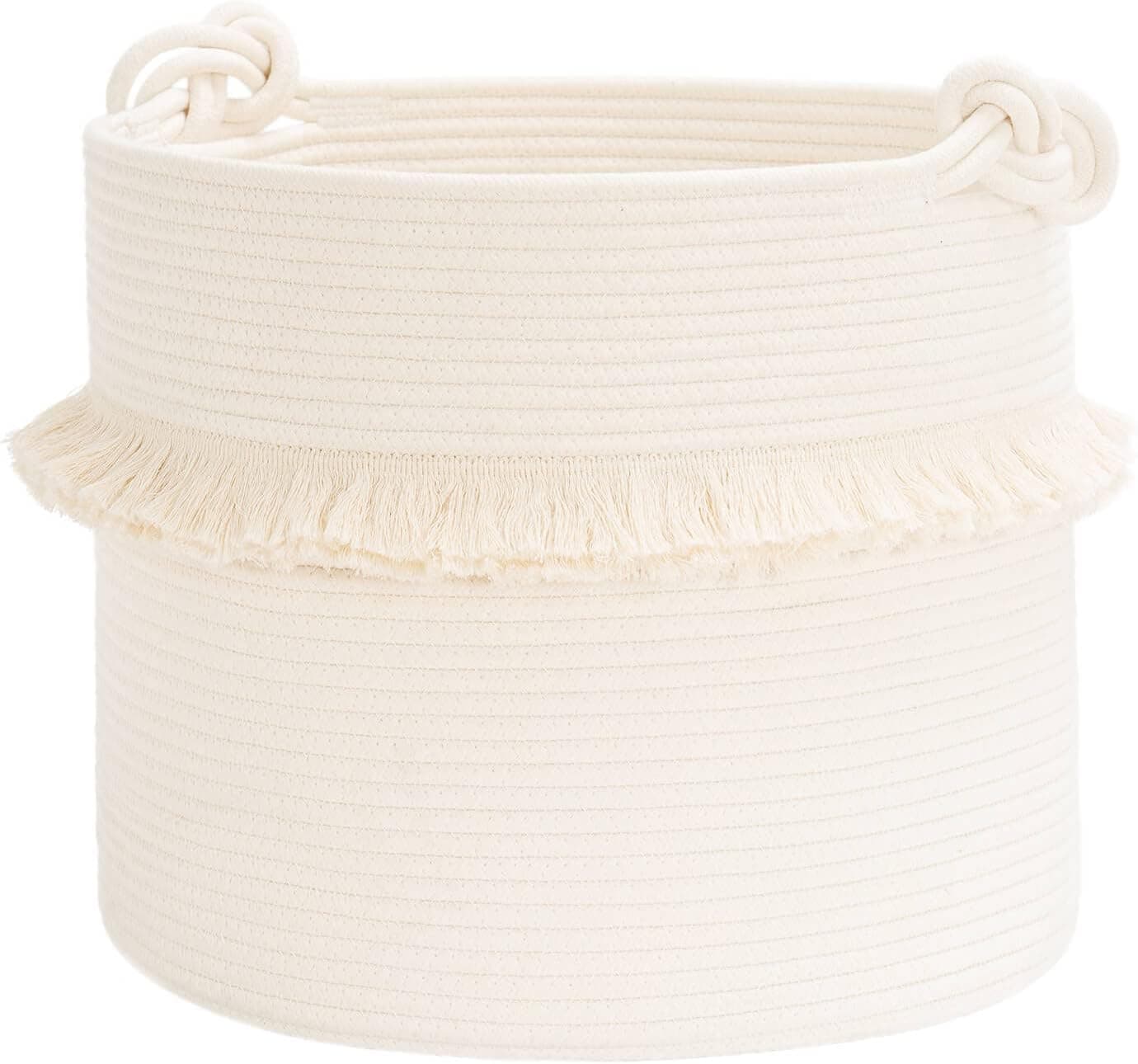
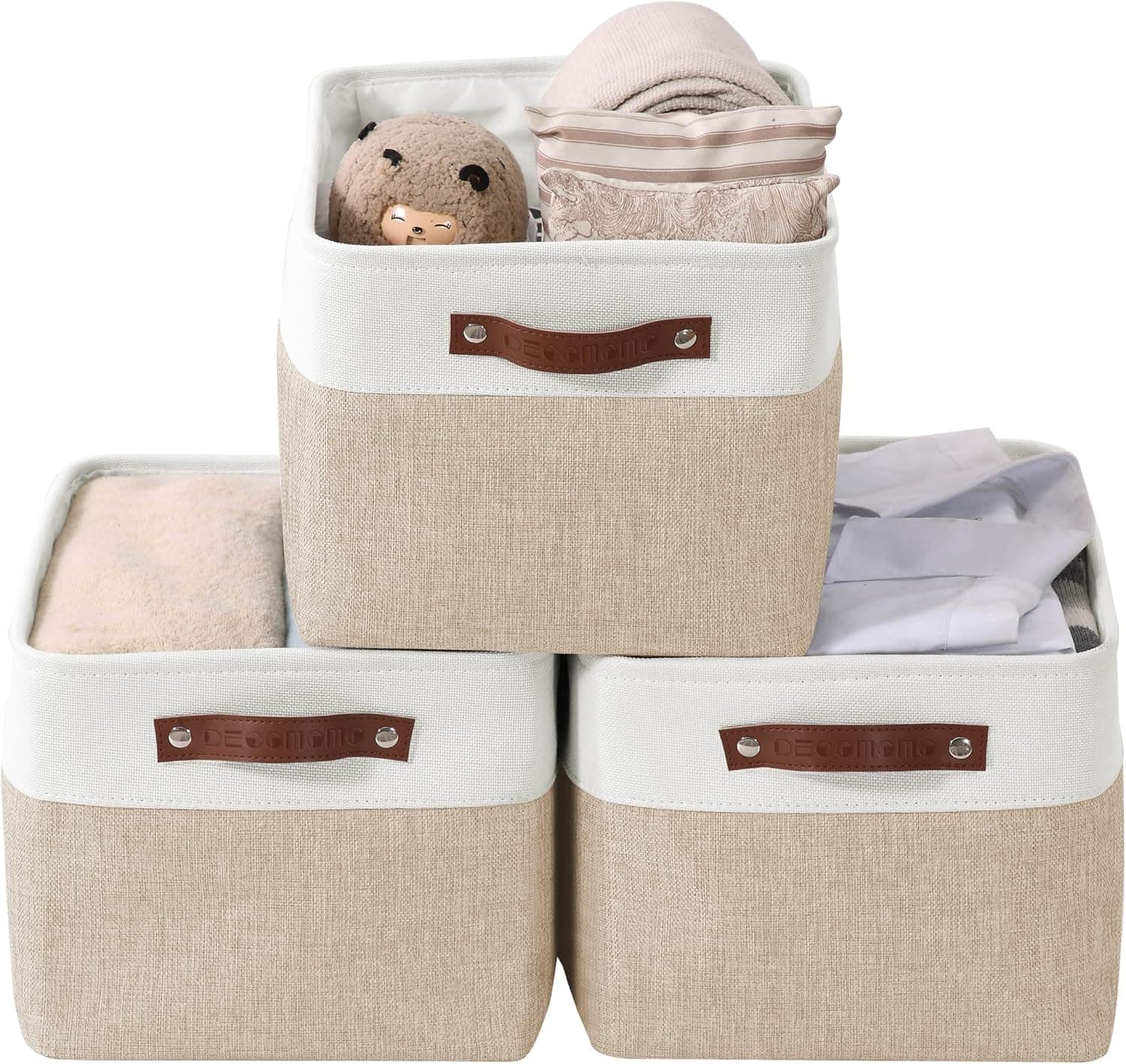
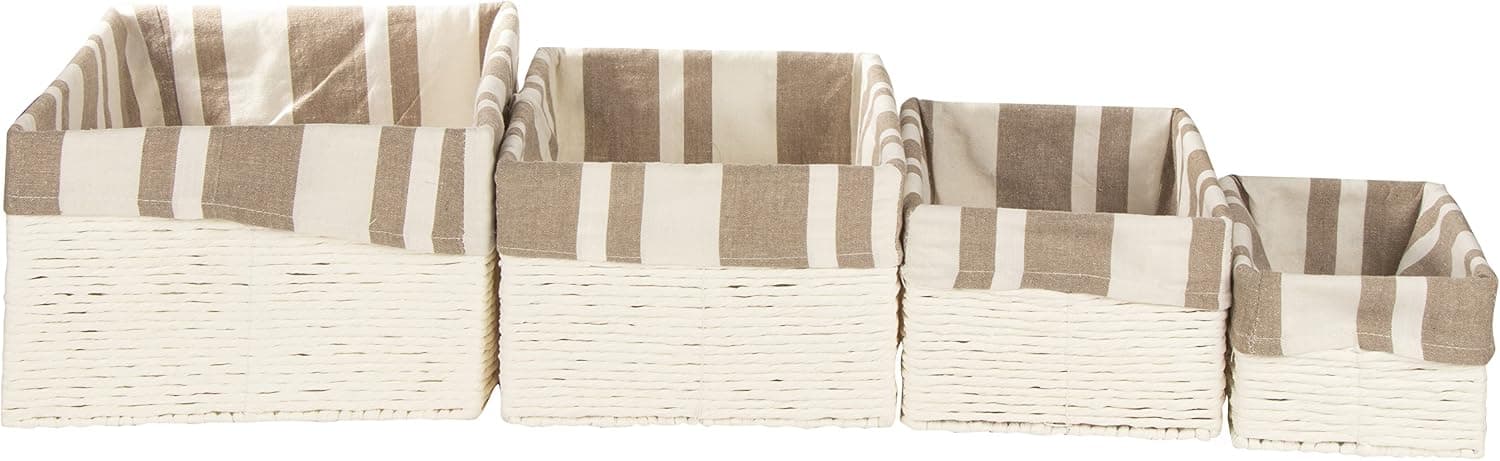
A closet holding a full year's worth of clothing, heavy winter coats and light summer dresses alike, crowds the space you actually need on a daily basis. Rotating clothing seasonally frees up meaningful closet space, but it needs a system to avoid becoming disorganized chaos in a bin somewhere.
Vacuum-Sealed Bags for Bulky Items
Heavy items like winter coats and sweaters take up disproportionate space relative to their actual use during the off-season. Vacuum-sealed storage bags compress this bulk dramatically, freeing up significant space in an under-bed bin or closet shelf that would otherwise hold far fewer items.
Under-Bed Storage for Rotation, Not Permanent Storage
Under-bed storage is well suited to seasonal rotation specifically because it's still reasonably accessible when the season changes again, unlike a more remote attic or garage storage spot that makes the twice-yearly swap more of a chore.
Label Clearly by Season and Category
A storage bin that's just labeled "clothes" gets opened and rummaged through unnecessarily. Labeling by both season and rough category, "winter sweaters," "summer swimwear," makes the twice-yearly swap faster and reduces the temptation to just leave everything out year-round instead.
Keep a Small Transitional Selection Accessible
Rather than a hard swap on a fixed date, keeping a small selection of transitional-weather items accessible in the main closet year-round accounts for unpredictable weather and avoids needing to dig through storage bins for one unseasonably cold or warm day.
Reassess What Actually Gets Rotated Back In
The seasonal swap is also a natural checkpoint to notice what didn't get worn the previous year. Items that go into off-season storage and come back out unworn two years running are good candidates for donation rather than continuing the storage cycle indefinitely.
Bottom Line
Seasonal clothing rotation, done with compressed storage and clear labeling, meaningfully frees up daily closet space without losing track of items, and it doubles as a natural point to reassess what's actually worth keeping.