Plenty of entryway organization setups look great on day one and stop being used within a week, because they don't match how people actually behave when they walk in the door tired, holding bags, ready to be done. A system that survives daily use has to work with that reality, not against it.
Match the System to the Laziest Version of Yourself
The most successful entryway systems require the least effort at the exact moment you walk in. If putting keys away means opening a drawer, they'll end up on the counter instead. A shallow open bowl or tray, requiring zero extra steps, gets used far more consistently than a closed drawer system.
One Landing Zone for Everything That Leaves With You
Keys, wallet, sunglasses, and anything else that needs to leave the house with you the next day should have exactly one shared landing spot, not a separate system for each item. The more categories you create, the more decision-making is required at the door, which is exactly when people have the least patience for it.
Shoe Storage Needs to Be at Floor Level, Not Behind a Door
A shoe bench or open shelf right at the entry gets used; a shoe rack tucked inside a closet with a door to open does not, for the same reason as the keys, added friction breaks the habit. If the household actually removes shoes at the door, storage needs to be exactly there.
A Hook Beats a Hanger for Bags and Jackets
Hanging a jacket on a hanger inside a closet requires more steps than most people will consistently do after a long day. A row of accessible hooks right at the entry, even if less tidy in theory, gets used in practice far more reliably than a closet system that requires more effort.
Build in a Catch-All for the Stuff With No Category
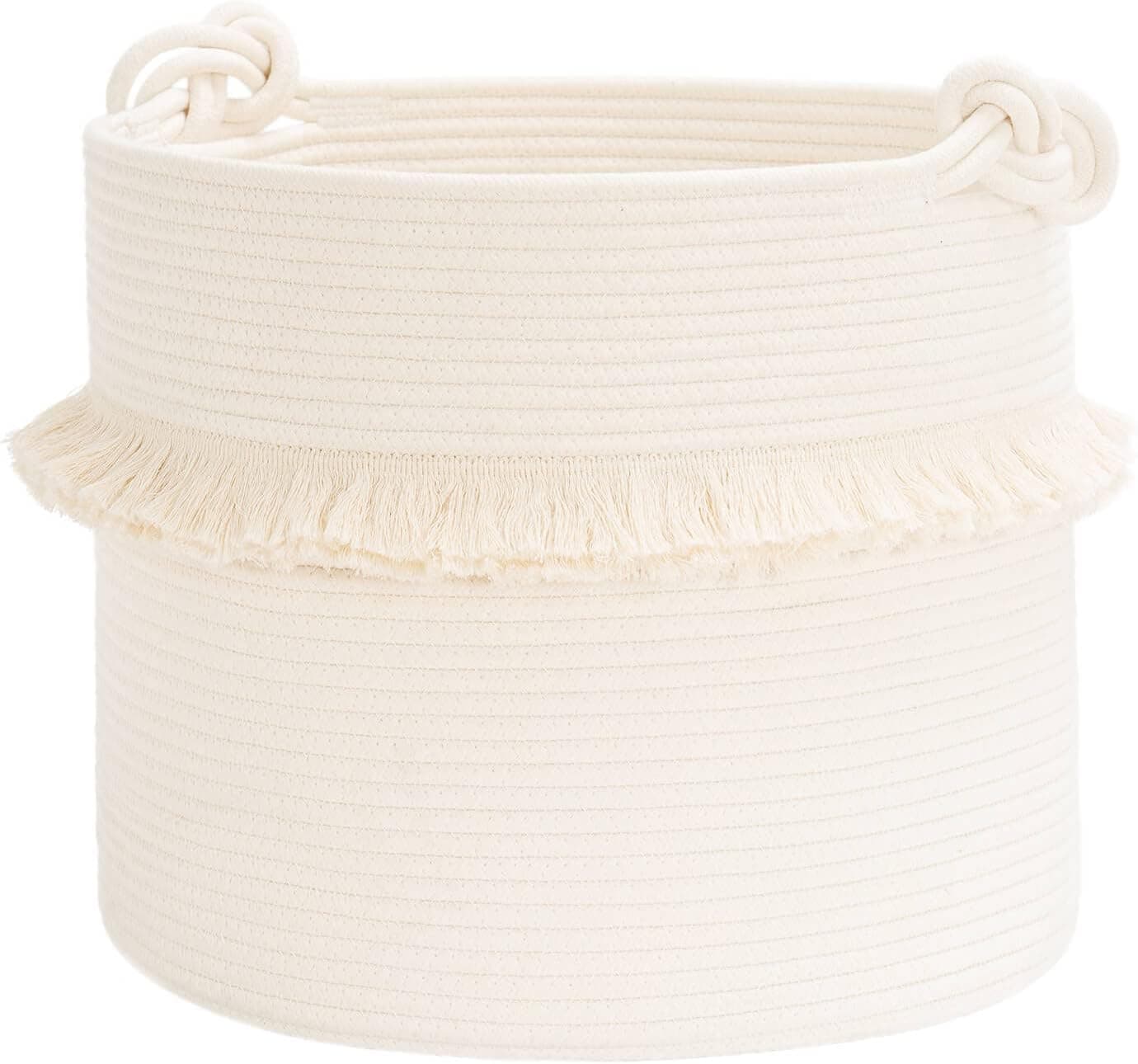
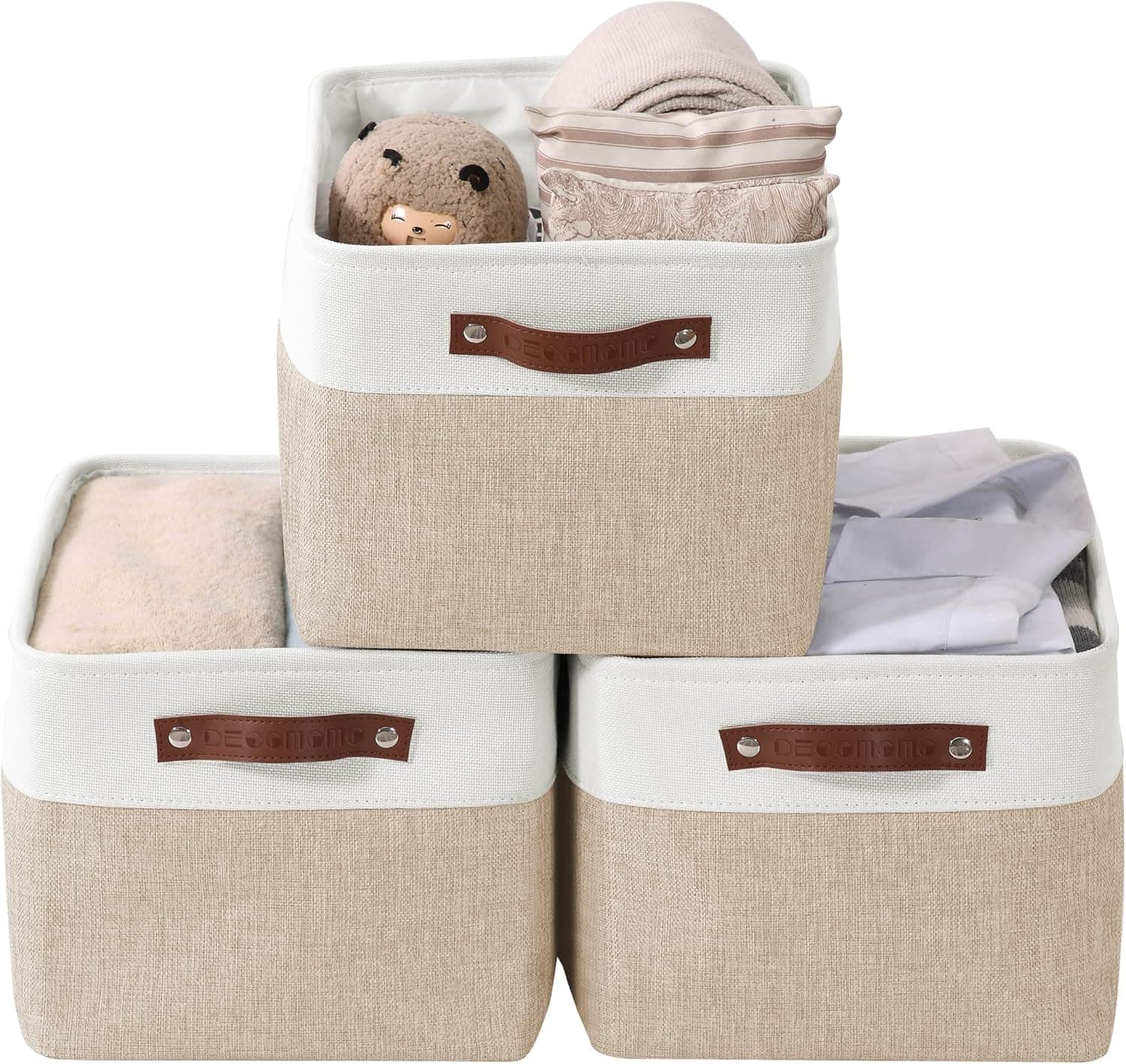
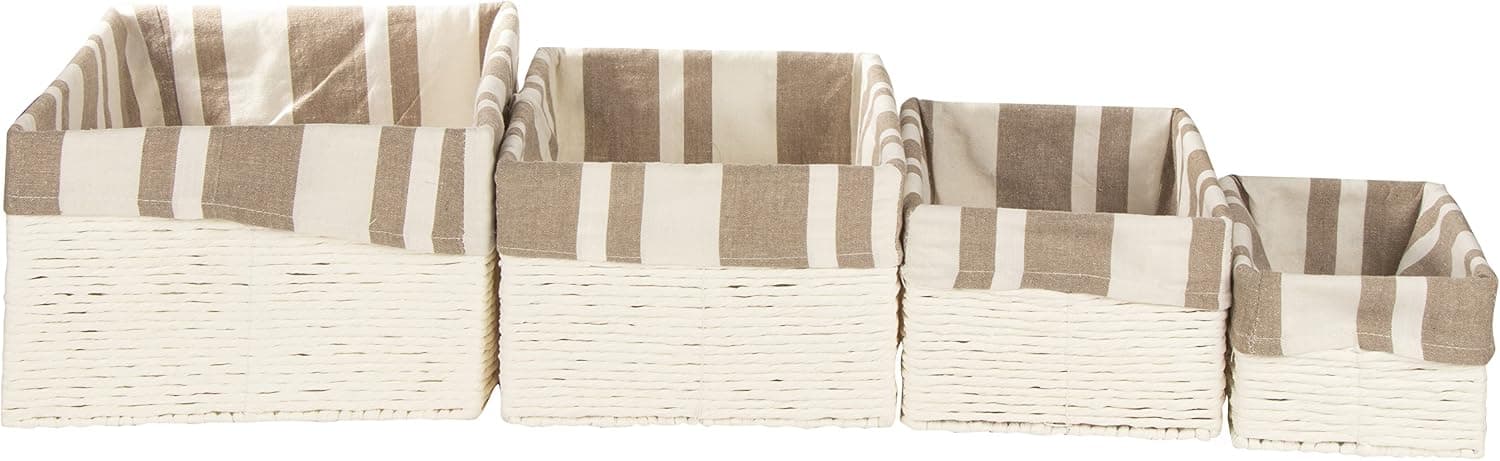
Mail, packages, a kid's school folder, none of these have an obvious home, and without a landing spot they end up scattered across the whole entry. A single labeled tray or basket for genuinely uncategorized items keeps that clutter contained even when it can't be fully organized.
Bottom Line
An entryway system fails when it assumes more effort than people will actually give it after a long day. The systems that stick are the ones with the fewest steps between the door and the storage spot.