In an open floor plan, the default instinct is often to push every piece of furniture against the perimeter walls, leaving a large empty void in the middle of the room. Floating furniture, positioning it away from the walls, usually creates a more functional and intentional-feeling layout, but it takes a slightly different approach than wall-hugging does.
Define Zones With Furniture Placement, Not Walls
Without walls to separate a living area from a dining area, furniture grouping becomes the tool that does that job. A sofa positioned with its back toward the dining area, rather than against a far wall, creates a clear boundary between the two zones using nothing but placement.
Anchor Floating Furniture With a Rug
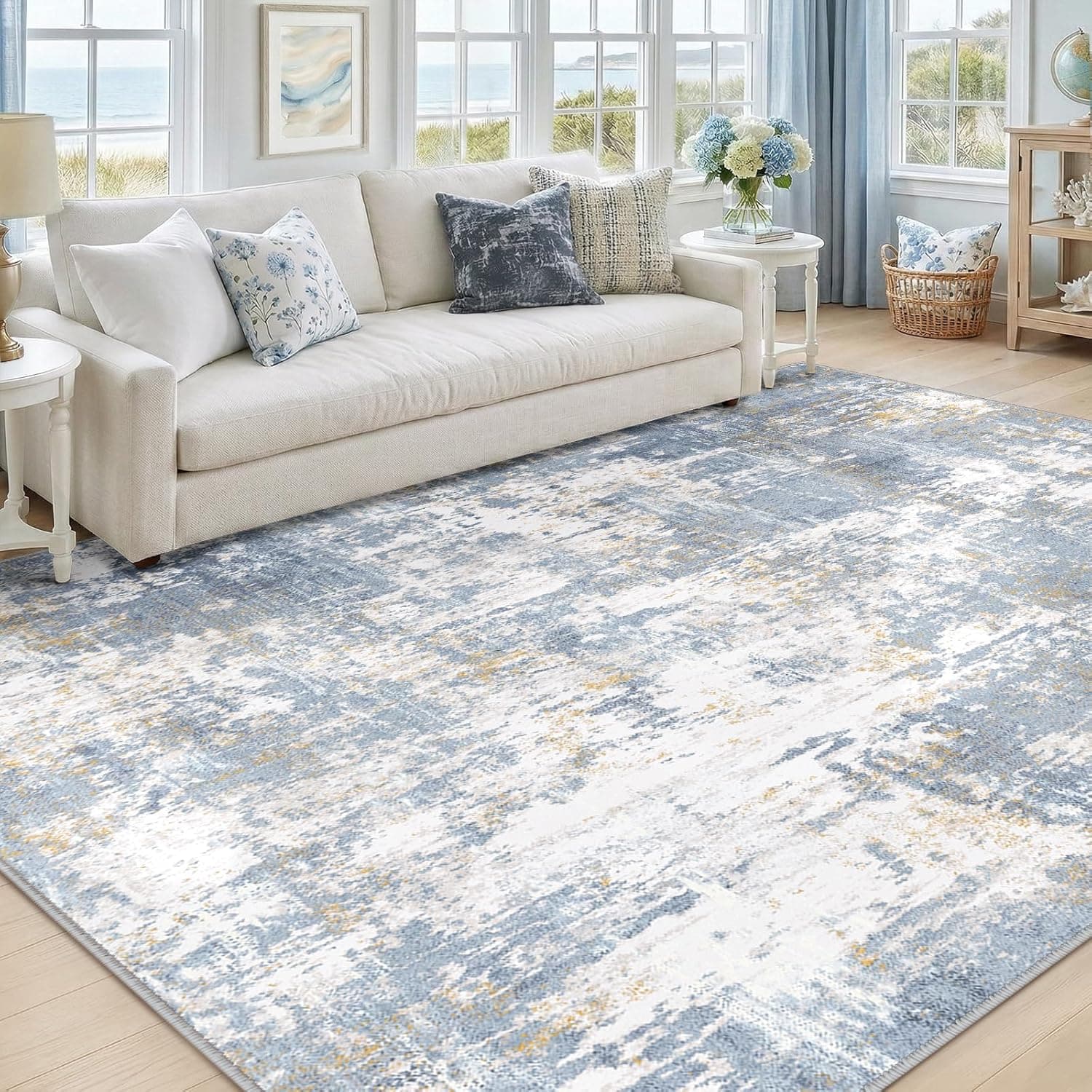
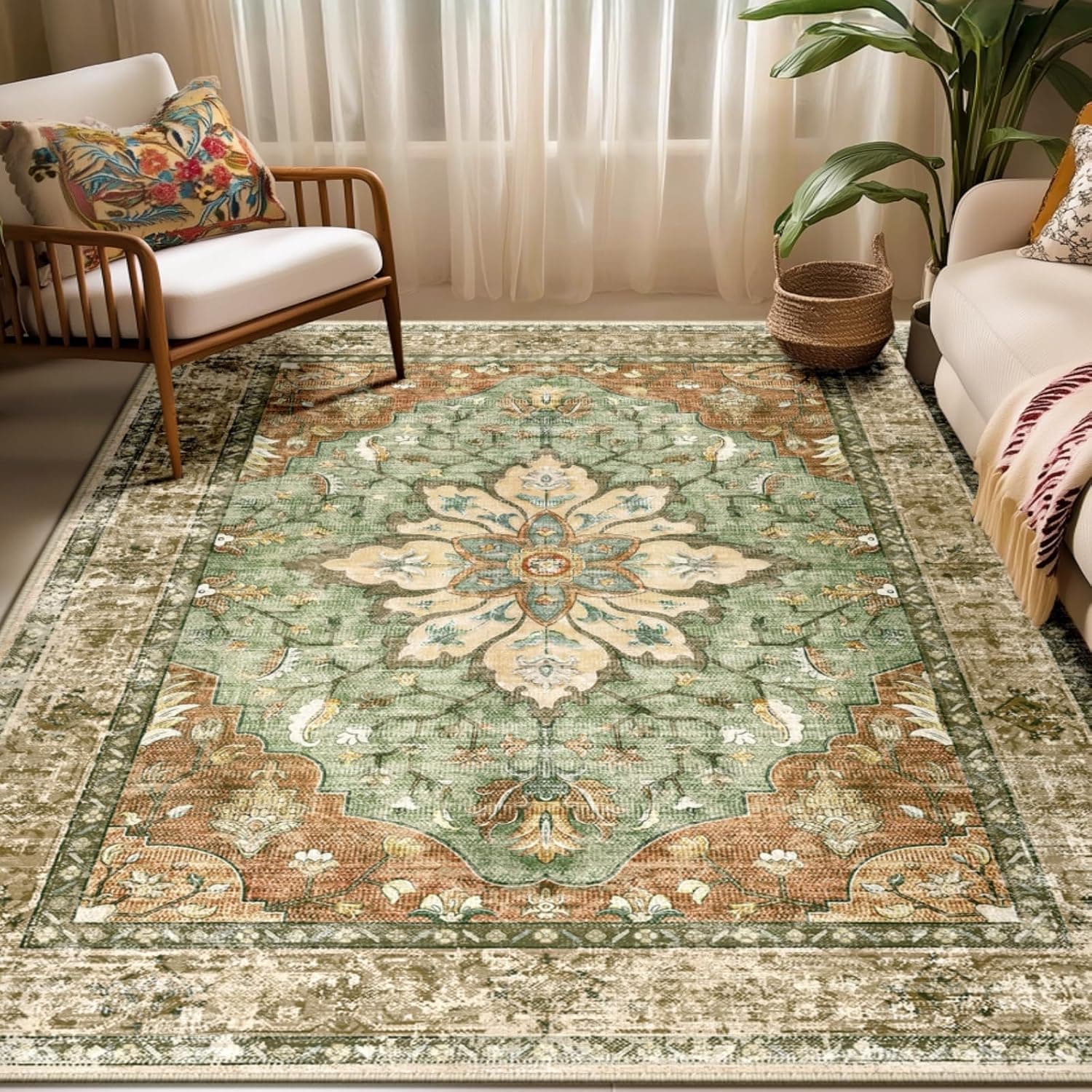
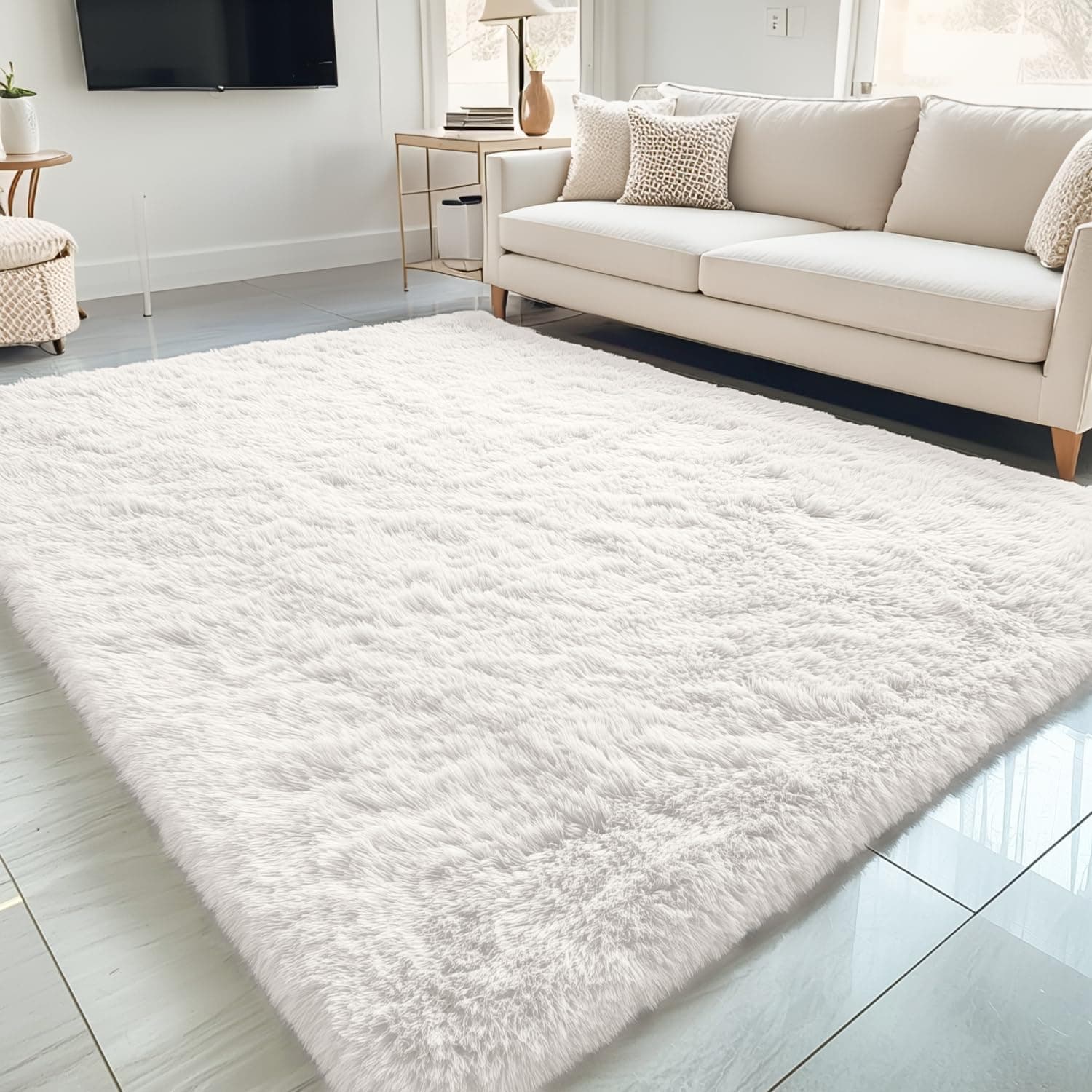
A floating furniture grouping needs something to visually ground it, otherwise it can feel like it's adrift in the middle of the room. A properly sized rug underneath the seating area defines the zone and keeps the arrangement from feeling untethered.
Leave Consistent Walking Paths
The biggest risk of floating furniture is accidentally blocking a natural walking path through the room. Before finalizing a layout, walking the actual routes people will use, from the front door to the kitchen, for example, and keeping those paths clear prevents an awkward, obstructed floor plan.
Use the Back of a Sofa as a Functional Surface
A sofa floated away from the wall doesn't waste its back side, a console table or a row of stools behind it turns that space into a secondary surface or seating area, maximizing the furniture's usefulness rather than leaving it as dead space.
Scale Matters More in an Open Plan
Furniture that looked appropriately sized in a smaller, walled room can look lost or undersized in a large open floor plan. Floating pieces specifically benefit from being sized generously enough to hold their own in a larger volume of space.
Bottom Line
Floating furniture in an open floor plan isn't about randomly placing pieces away from the walls, it's a deliberate way to create zones, using rugs, walking paths, and appropriately scaled furniture to make an open space feel like several defined areas instead of one undifferentiated room.