Matching every piece of wood furniture in a room to the same exact tone used to be the standard advice, but a room built entirely from one identical wood finish can look flat and overly matchy. Mixing tones intentionally, done with a bit of structure, generally reads as more current and more collected.
Anchor With One Dominant Wood Tone
Rather than mixing tones in exactly equal amounts, choosing one dominant tone, usually determined by the largest wood element in the room, flooring or a major furniture piece, and treating other wood tones as secondary creates a coherent hierarchy instead of visual competition.
Undertone Matters More Than Exact Shade Matching
Similar to the warm-versus-cool neutral principle, wood tones mix more successfully when they share the same general undertone, warm woods with other warm woods, rather than requiring an exact shade match. A cherry and a walnut can coexist if both lean warm; a very cool gray-washed wood next to a warm honey tone is a harder pairing to pull off.
Use a Neutral Buffer Between Clashing Tones
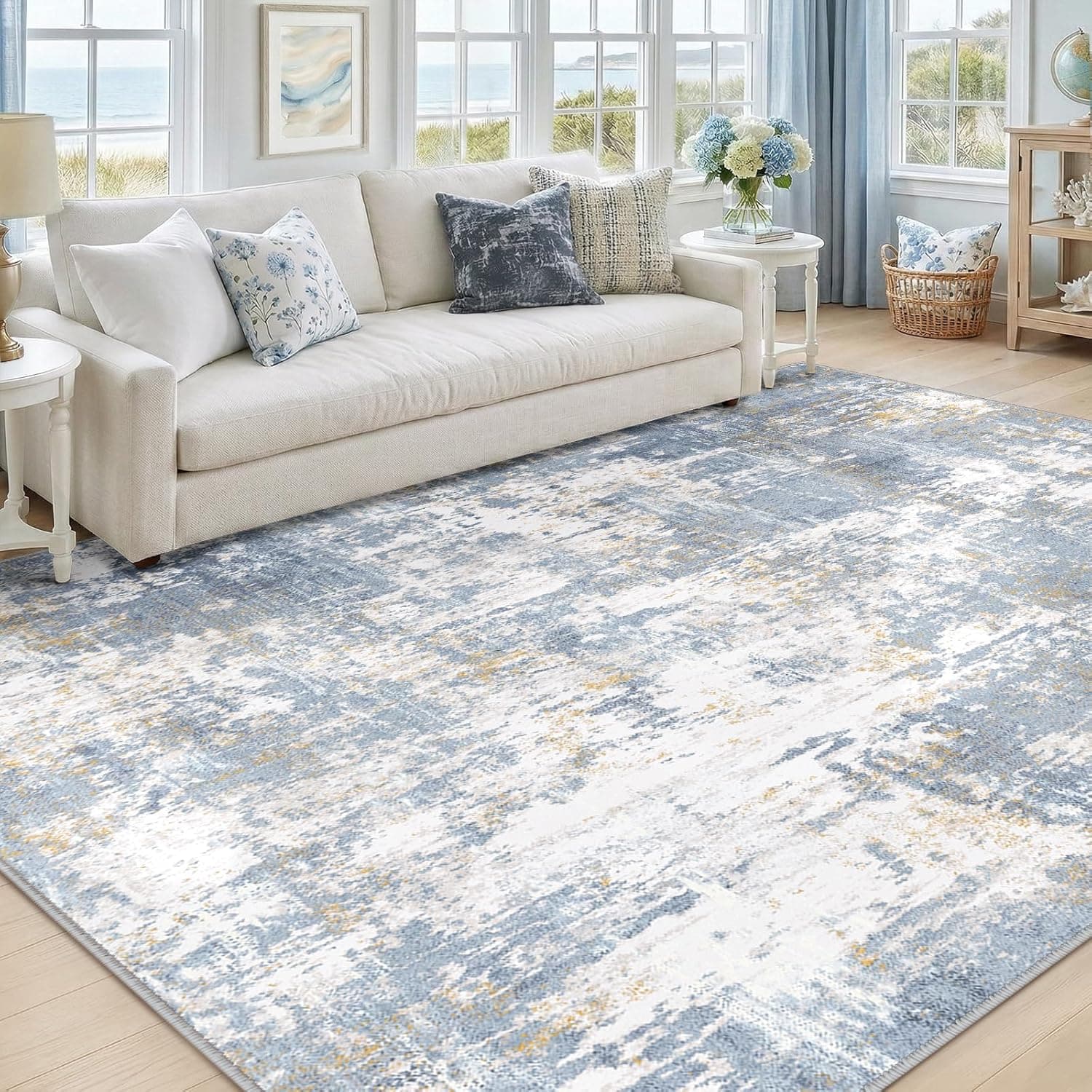
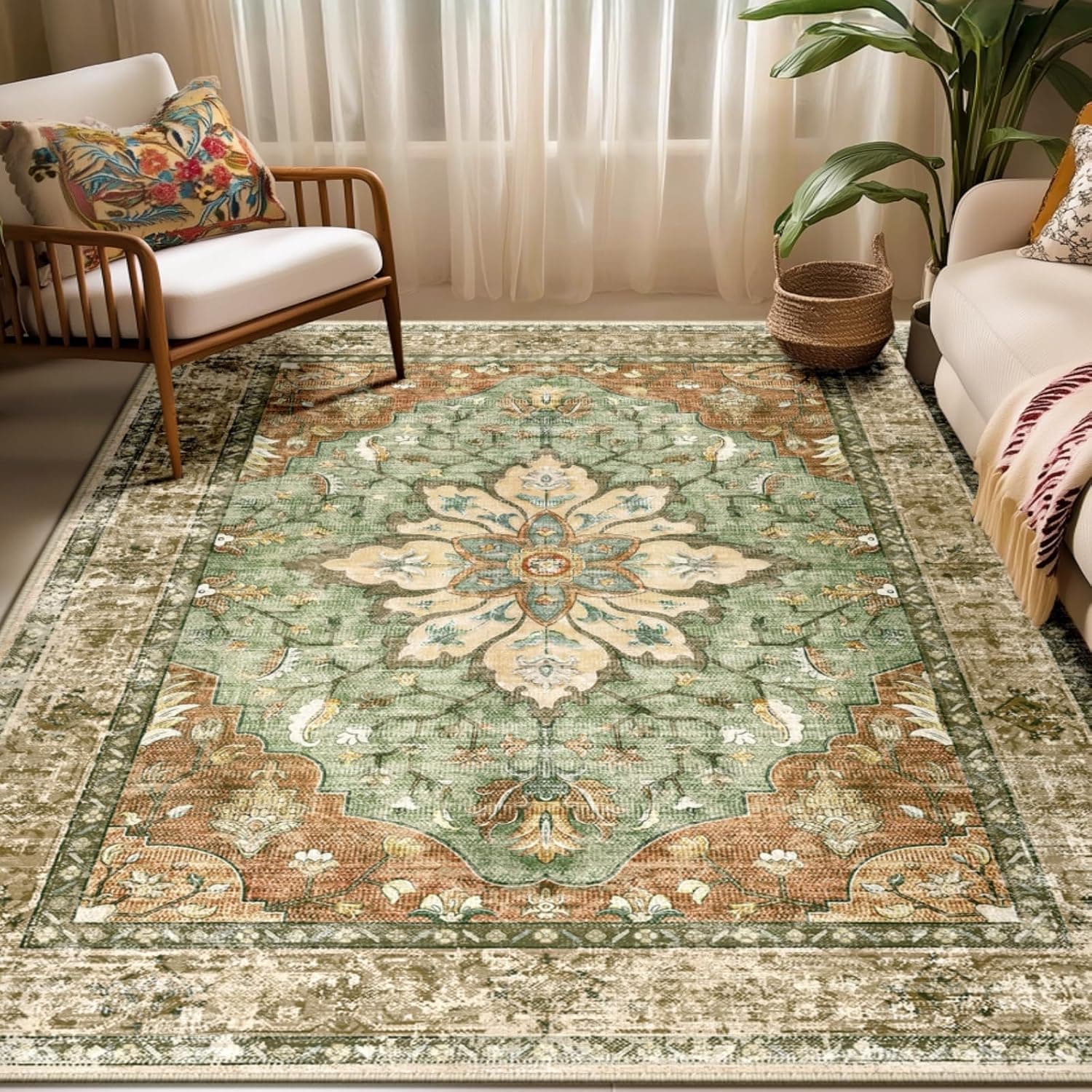
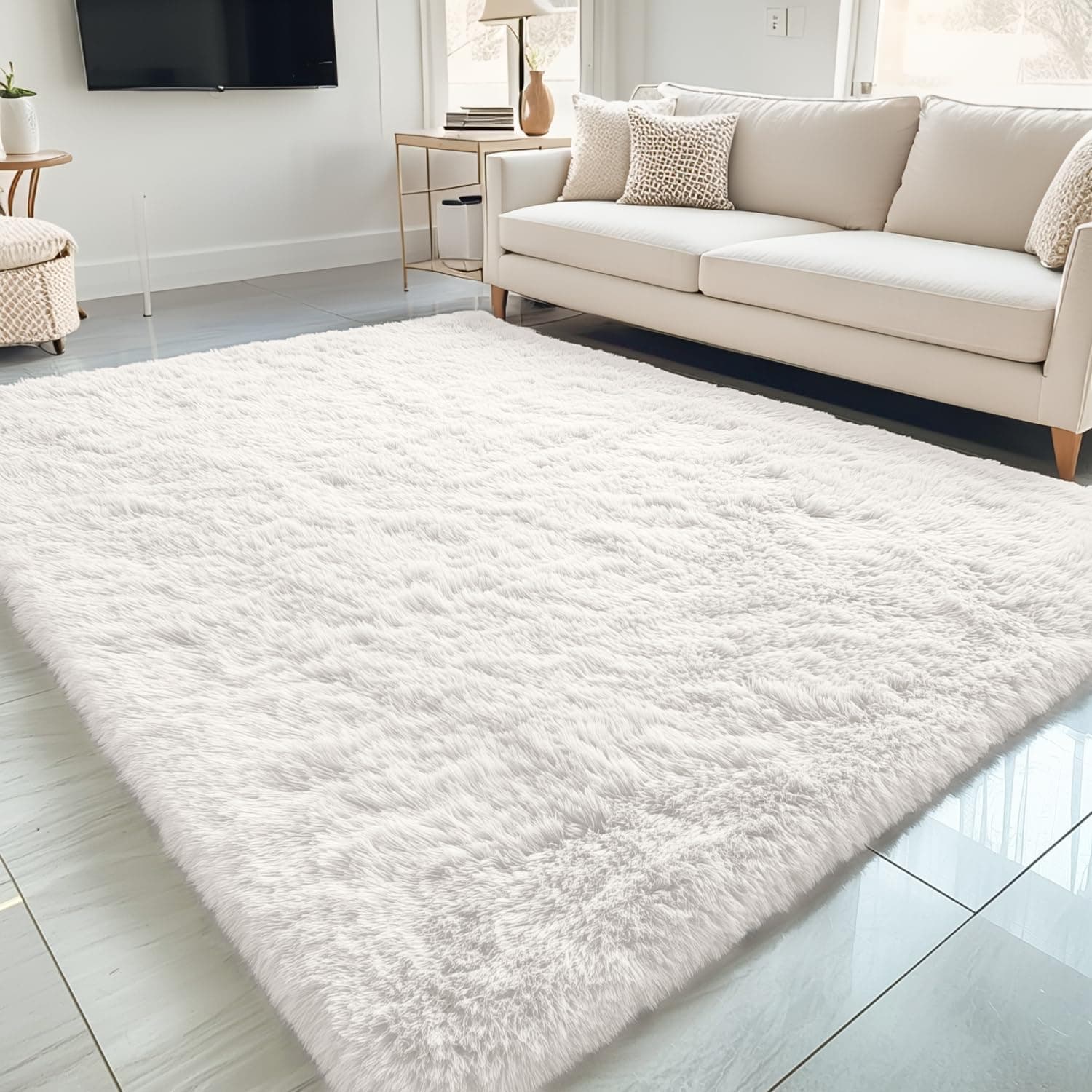
If two wood tones in the same room don't naturally relate well, a neutral element between them, a rug, a piece of upholstered furniture, a painted surface, can visually separate them enough that the clash becomes less noticeable.
Vary the Application, Not Just the Tone
Mixing wood tones works best when the pieces also differ in scale or function, a large dark wood dining table against smaller lighter wood accent pieces, rather than two similarly sized pieces in different tones competing for the same visual attention.
Limit the Total Number of Distinct Tones
While mixing is generally more successful than forced matching, an unlimited number of different wood tones in one room starts to look unintentional rather than curated. Keeping it to two, or at most three, distinct tones in a single space maintains the intentional feeling.
Bottom Line
Mixed wood tones read as current and collected when they're anchored by one dominant tone, share a consistent warm or cool undertone, and stay limited to a small handful of distinct tones, rather than either forcing an exact match or mixing without any underlying structure.