Shopping for a floor lamp online, it's tempting to look at wattage and assume higher means brighter. Wattage measures energy use, not light output, and a listing's stated wattage often refers to the maximum bulb it can accept rather than what it ships with. A few other numbers matter more.
Lumens, Not Watts, Measure Brightness
Lumens are the actual measure of light output. A modern LED bulb producing 800 lumens uses far less wattage than an old incandescent bulb producing the same brightness, so comparing wattage across lamps with different bulb technology tells you very little. Check the stated lumen output specifically.
Shade Material Changes Perceived Brightness
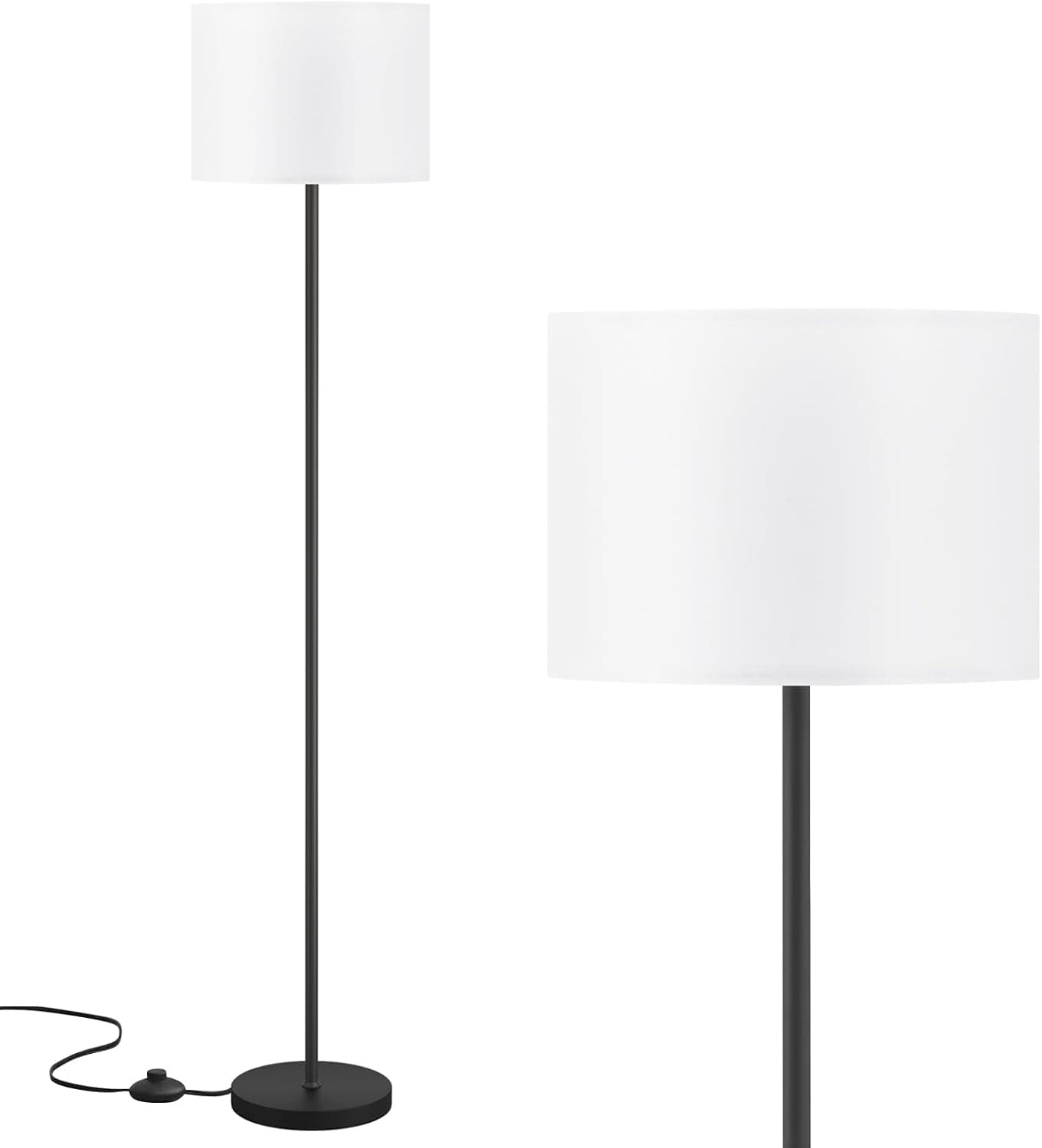
Two lamps with an identical bulb can feel very differently bright depending on the shade. A fabric or linen shade diffuses and softens light, spreading it more evenly but reducing direct brightness. A more open metal or glass shade lets more direct light through, feeling brighter in a smaller radius but casting harsher shadows.
Color Temperature Affects How Bright a Room Feels
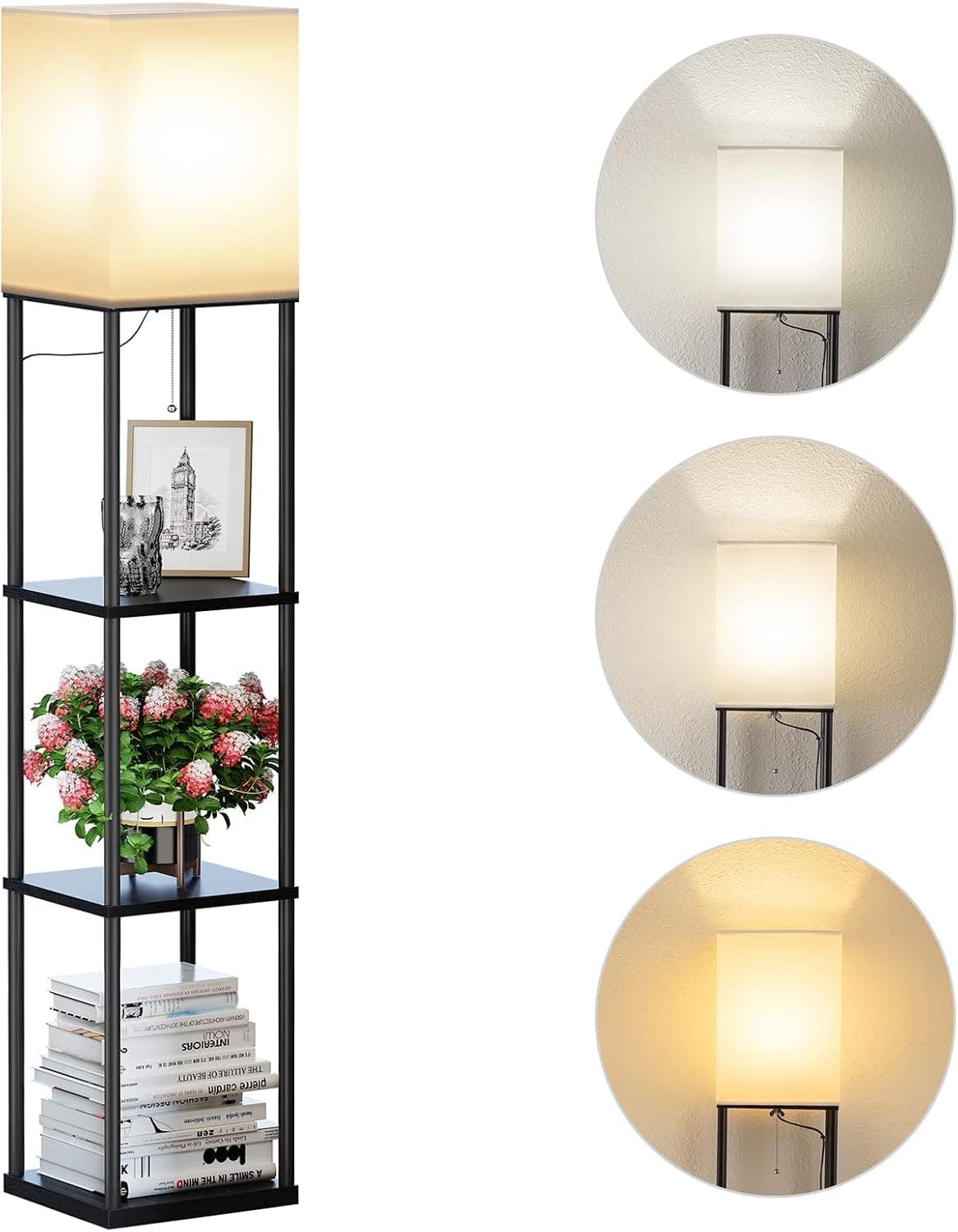
A cooler color temperature (5000K and above) tends to feel brighter and more energizing than a warmer one (2700-3000K) at the same lumen output, since cooler light mimics daylight more closely. For a task-focused lamp, like one beside a reading chair, a cooler temperature can feel more effective even at similar lumens.
Match the Lamp's Job to Its Brightness
A lamp meant purely for ambient mood lighting doesn't need to be very bright, in fact, too much brightness undermines that purpose. A lamp meant for reading or task work needs considerably higher lumen output positioned close to the activity, not just general room brightness from across the space.
Dimmable Options Add Flexibility
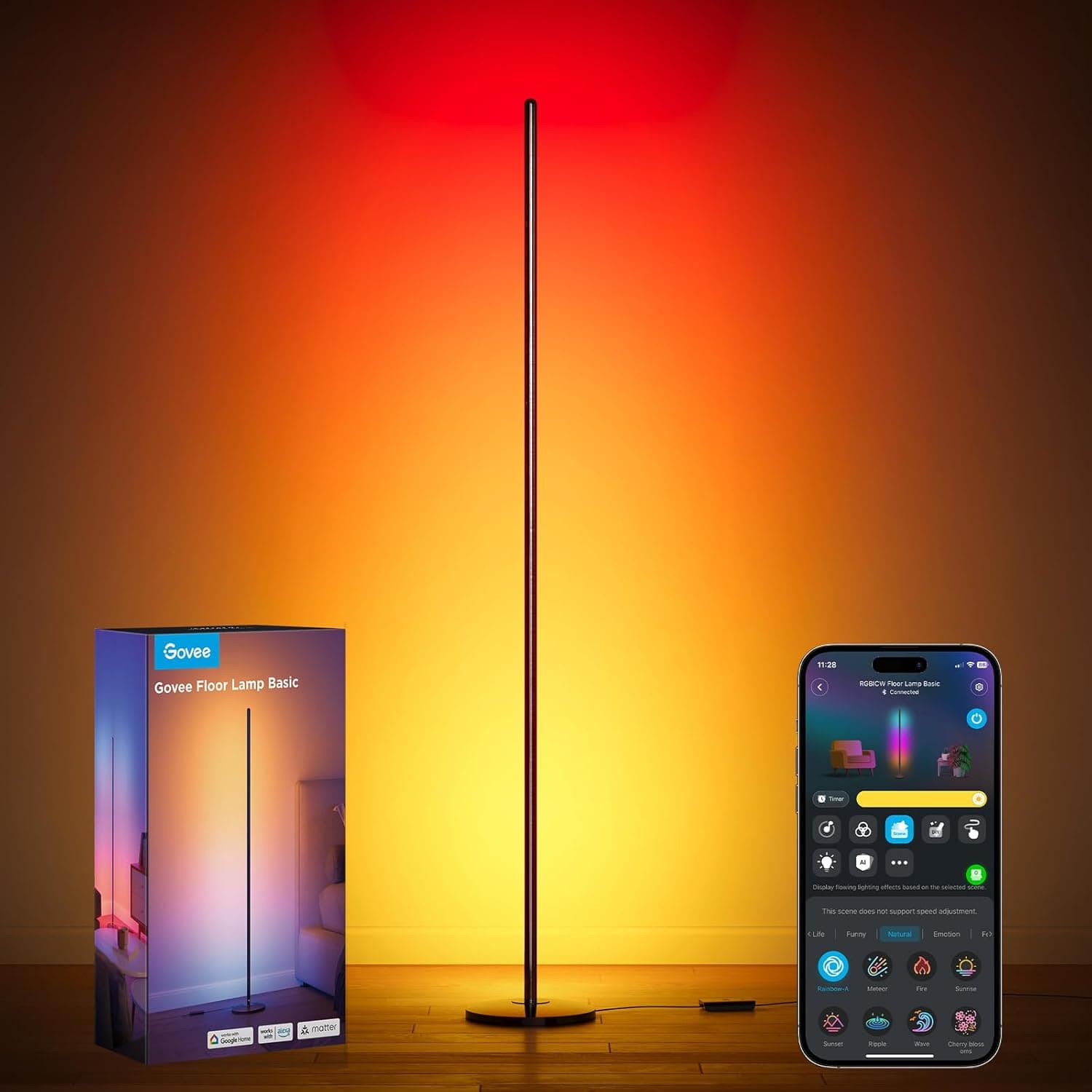
A lamp with a built-in dimmer, or one compatible with a smart dimmable bulb, solves the uncertainty problem directly, letting you adjust brightness after the fact rather than guessing correctly before buying.
Bottom Line
Wattage on its own is a weak predictor of how bright a lamp will actually feel in a room. Lumens, shade material, and color temperature together give a much more accurate picture, and a dimmable option removes most of the guesswork entirely.